
Last updated September 24, 2026
Free in-home measure and quote - PGT, CGI and CWS impact lines compared on your actual openings, style by style
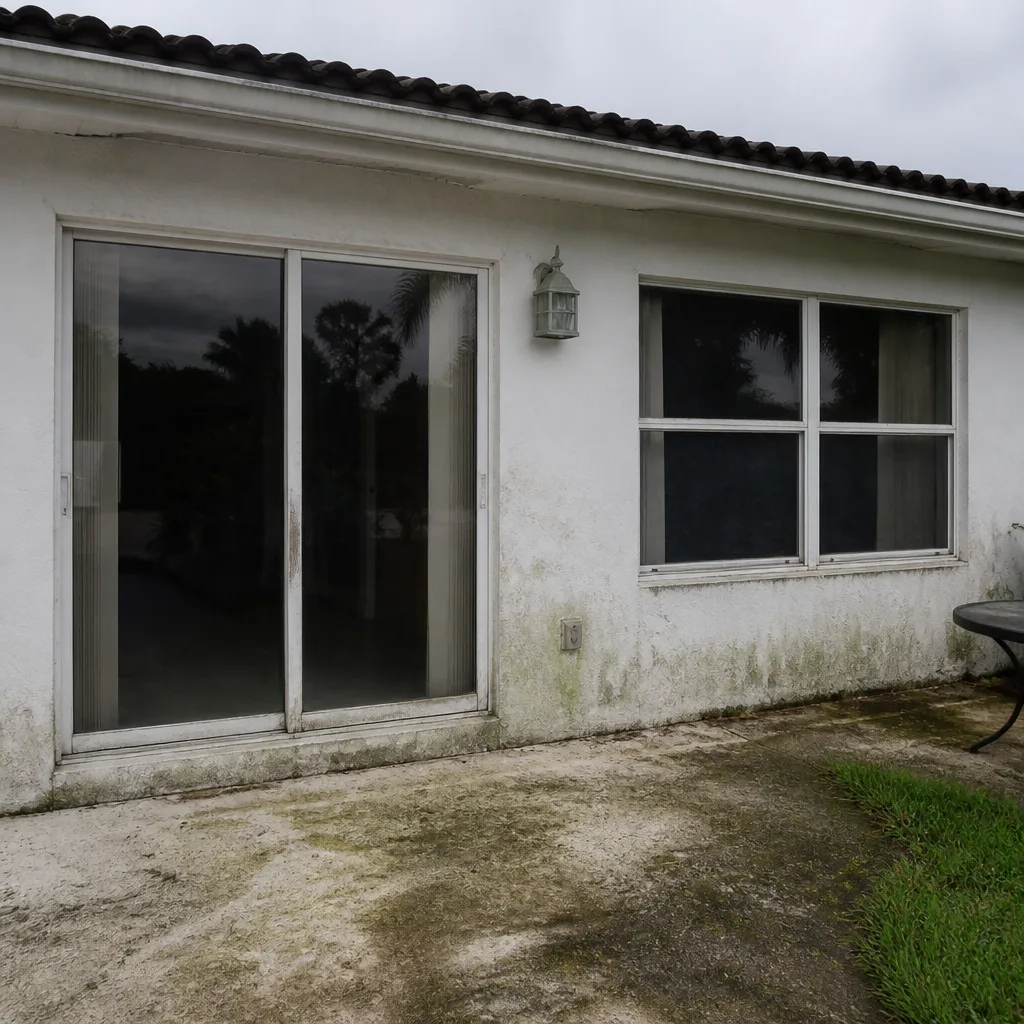 Before
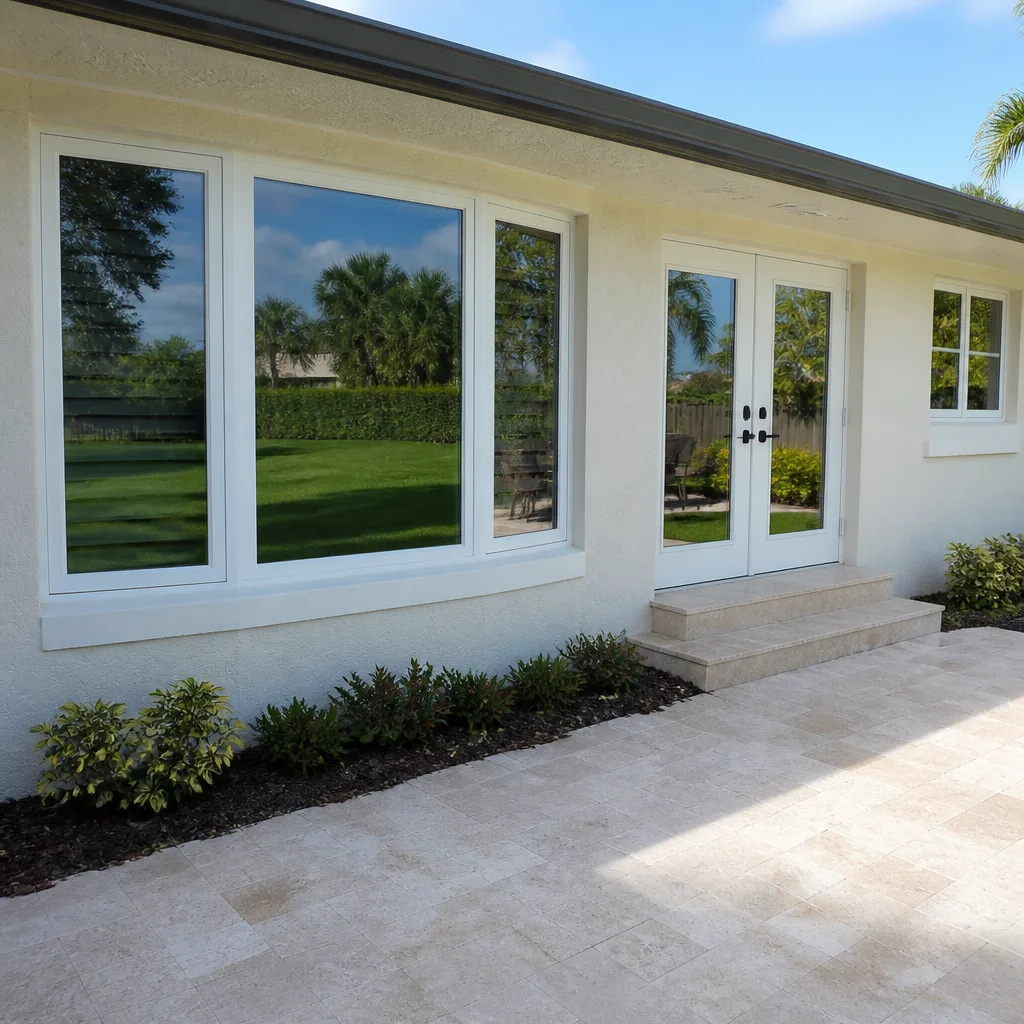 After
After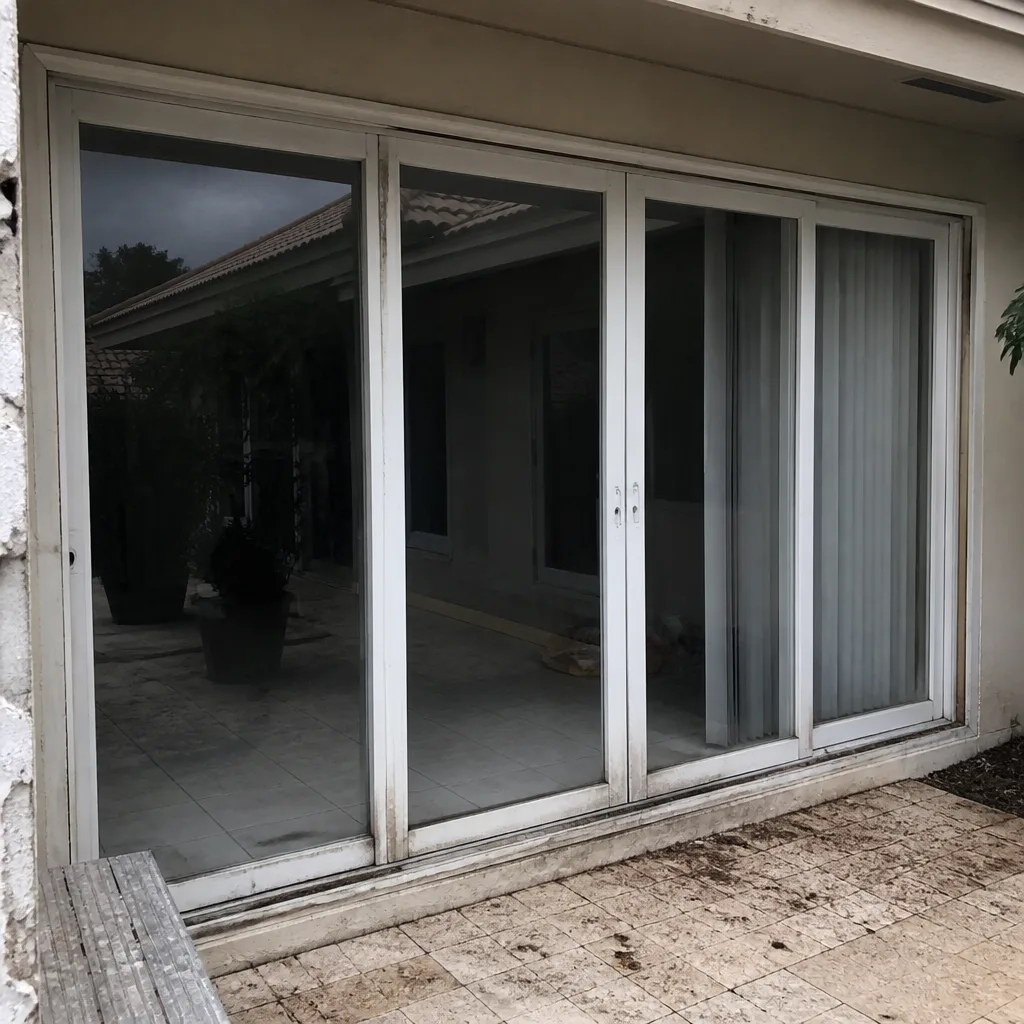 Before
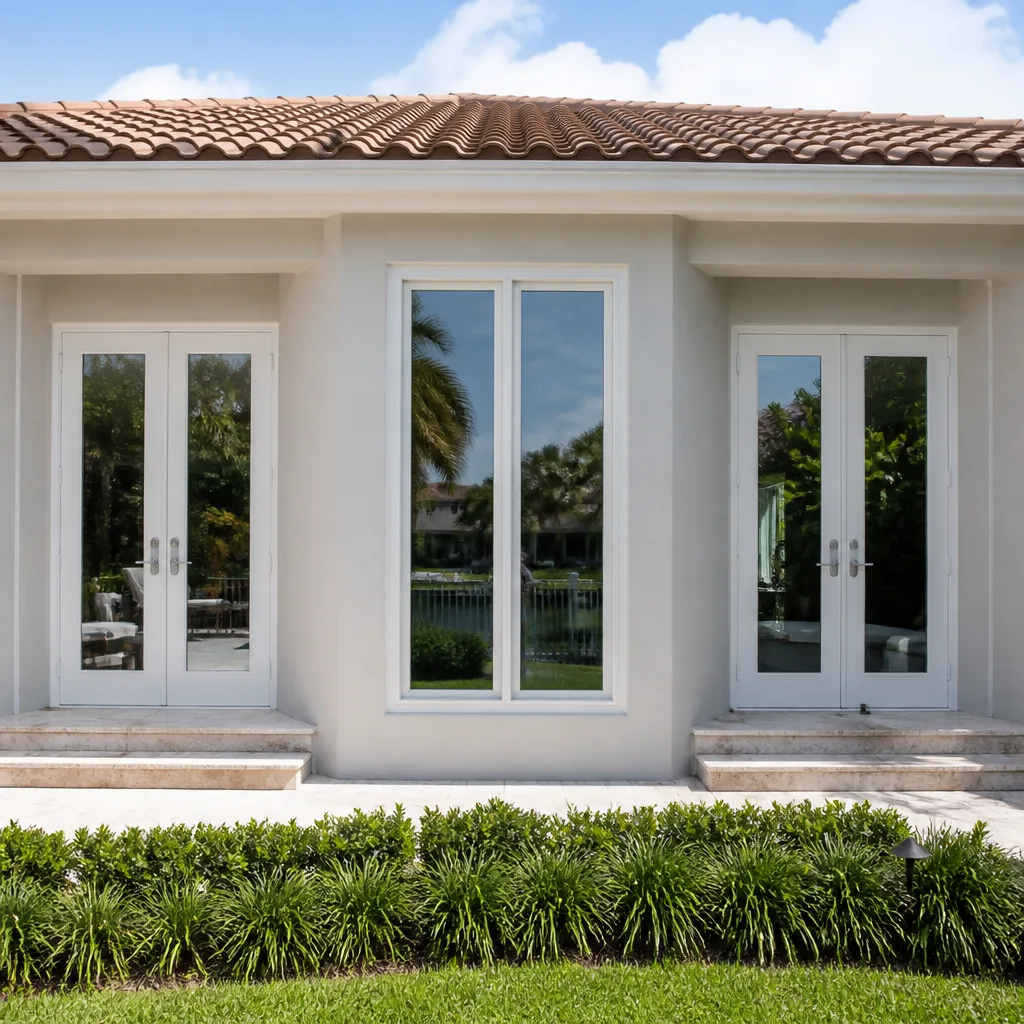 After
After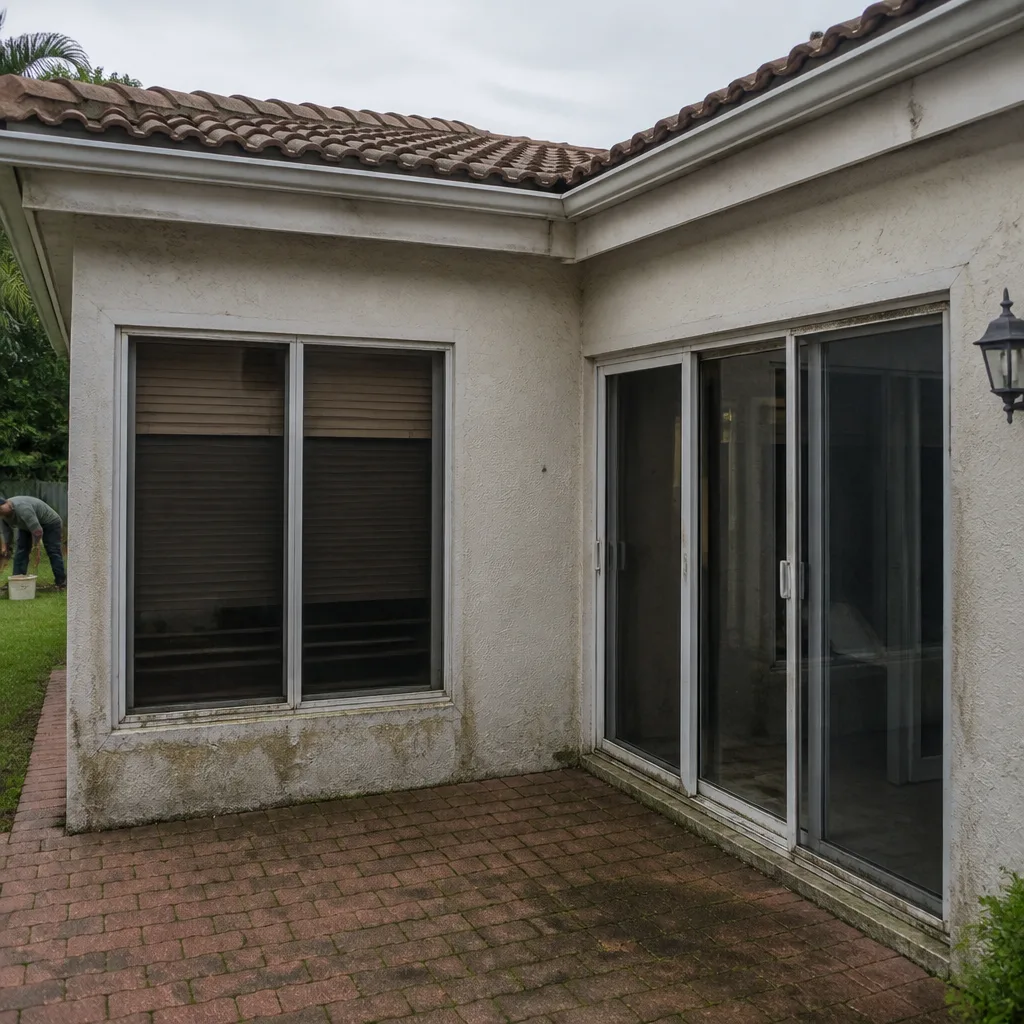 Before
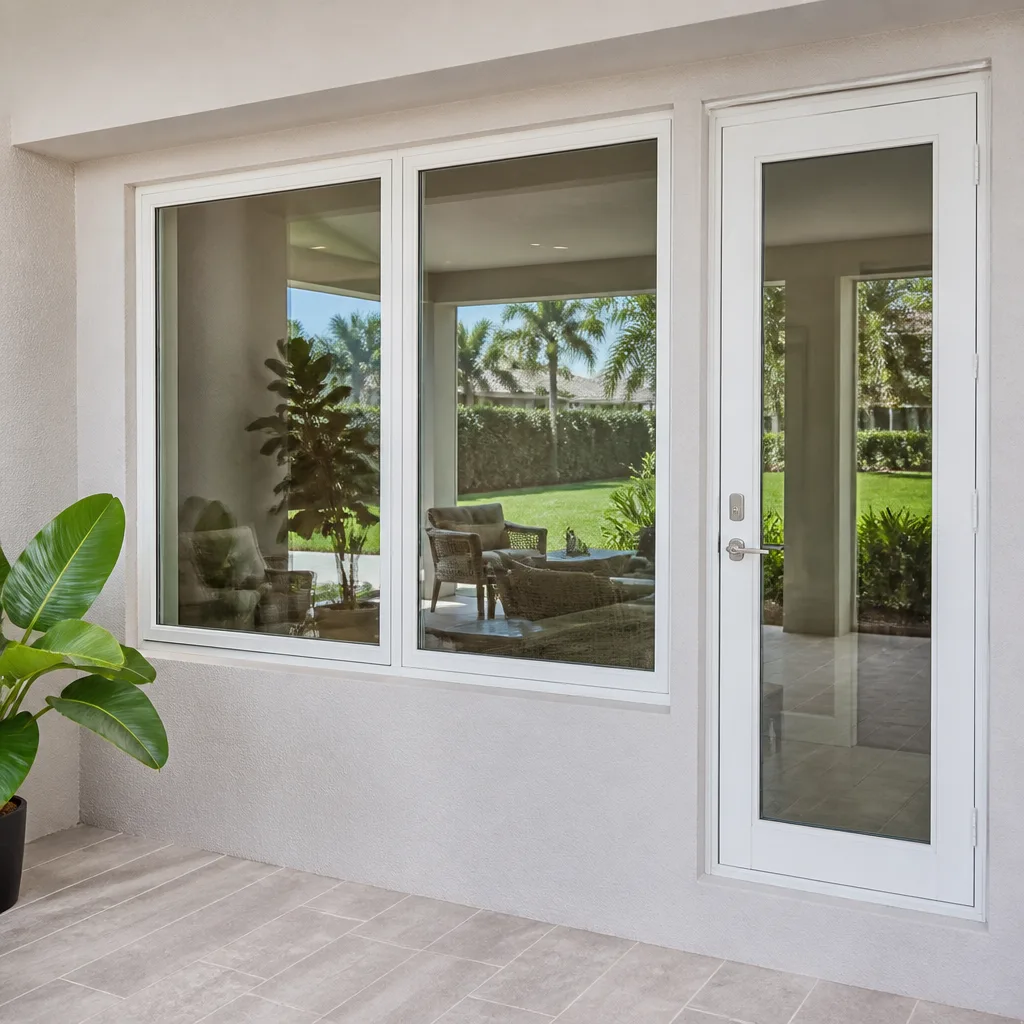 After
AfterDIY vs Professional Windows & Doors: The Boca Raton Homeowner’s Decision Guide
A homeowner in Boca Raton who self-installs a replacement window without a permit doesn’t just risk a fine - they create a material defect under Florida’s seller-disclosure statute that a title company will flag, potentially requiring the window to be removed, inspected, and re-installed by a licensed contractor before closing. In this guide, we’ll walk through the exact Florida Building Code thresholds that determine when you can legally work on your own windows and doors, what the owner-builder exemption actually requires in Palm Beach County, and how the documented cost of professional installation compares to the hidden costs of an unpermitted self-install at 1, 5, and 10 years. For related guidance, see our How to Hire a Windows & Doors Contractor in Boca Raton: A Step-by-Step Guide.
Quick Answer
In Boca Raton, most window and door replacements require a licensed contractor to pull permits under Florida Building Code Section 105.1. The owner-builder exemption applies only to specific square-footage and structural thresholds, and it carries resale restrictions that most homeowners don’t discover until they’re at the closing table. For the majority of replacement scenarios, professional installation is not a preference - it’s a legal requirement with documented insurance and resale consequences.
Table of Contents
- When DIY Is Legally Permitted in Boca Raton
- The Owner-Builder Exemption: What Palm Beach County Actually Requires
- Three Tasks You Can Legally Do Without a License
- Four Tasks That Require a Licensed Contractor
- Real-Dollar Comparison: Professional Install vs. Unpermitted Self-Install
- How Professional Installation Affects Your Wind Mitigation Score
- Common Mistakes to Avoid
- When to Call a Professional
BeforeAfterWhen DIY Is Legally Permitted in Boca Raton
Florida statute draws a sharp line around window and door work, and the line is not about how handy you are. It’s about structural modification, glazing type, and square footage.
Under Florida Building Code Section 105.1, a building permit is required for “the construction, erection, alteration, modification, repair, equipment, use and occupancy, location, maintenance, removal and demolition of every public and private building, structure, or appurtenance.” For windows and doors, this means:
- Replacement of existing windows in the same rough opening without structural modification: Requires permit, but can be pulled by a licensed contractor or under owner-builder exemption if thresholds are met.
- Any change to the rough opening dimensions: Requires licensed contractor; owner-builder exemption does not apply.
- Installation of impact-rated glazing in a non-impact opening: Requires engineered drawings and licensed contractor; this is structural work under FBC 2403.
- Replacement of doors in existing frames: Permit required; owner-builder may apply if no structural changes.
- Installation of new patio doors or sliding systems where none existed: Requires licensed contractor; this is new construction, not repair.
The critical threshold most Boca Raton homeowners miss: the owner-builder exemption under Florida Statute 489.103(7) applies only to construction, repair, or improvement of a single-family residence “to be occupied by the owner” and limits the work to structures under a specific value threshold that is adjusted annually by the Florida Department of Business and Professional Regulation. As of 2024, that threshold sits at $5,000 for electrical, plumbing, or HVAC work, but window and door work falls under general construction limits that vary by county interpretation. Palm Beach County Building Division interprets window replacement as general construction subject to the broader owner-builder cap, currently set at structures where the total improvement value does not exceed the county’s annual adjustment.
Here’s where Boca Raton’s market conditions matter. A single impact-rated window replacement in a typical Royal Palm Yacht and Country Club home, including the PGT or CGI product, flashing, and permit fees, routinely exceeds the owner-builder threshold when labor is factored at market rates. The homeowner who thinks they’re saving $800 in labor by self-installing is often already ineligible for the exemption before they buy the first tube of sealant.
And the exemption has a catch that doesn’t appear in the marketing materials of DIY tutorial sites: it is personal to the owner and expires on sale. More on that in the next section.
The Owner-Builder Exemption: What Palm Beach County Actually Requires
The owner-builder exemption sounds like a homeowner’s escape hatch from contractor costs. In practice, it’s a binding legal commitment with three specific requirements that create lasting obligations.
Requirement 1: The Affidavit
Before pulling an owner-builder permit in Palm Beach County, the homeowner must sign an affidavit under Florida Statute 489.103(7) stating:
- The owner will personally supervise all work
- The owner will hire only licensed subcontractors for electrical, plumbing, and HVAC (if applicable)
- The owner understands that workers’ compensation insurance is their responsibility
- The owner will comply with all building codes and zoning regulations
This affidavit is recorded. It does not disappear when the work is done.
Requirement 2: The Inspection Schedule
Owner-builder permits in Boca Raton follow the same inspection sequence as contractor permits:
- Rough inspection: Framing and flashing before glazing installation
- Water-resistive barrier inspection: Critical in Boca Raton’s wind-driven rain climate; failed inspections here are common for DIY installs
- Final inspection: Operational test, egress compliance, and impact rating verification if applicable
Each inspection requires 24-hour notice to Palm Beach County Building Division. Missed inspections incur re-inspection fees, currently $75 per occurrence. Failed inspections require correction and re-inspection. In our experience, DIY window installs in Boca Raton fail rough inspection at roughly twice the rate of professional installations, almost always at the water-resistive barrier step.
Requirement 3: The Resale Restriction
This is the clause that surfaces at closing. The owner-builder affidavit contains a restriction: the exemption applies only to work performed for the owner’s personal occupancy. If the property is sold within one year of final inspection, the exemption is void, and the work may be required to meet additional verification standards. Some title insurers in Palm Beach County extend this scrutiny to two years or more, particularly for impact-rated installations where the wind mitigation form is material to the buyer’s insurance.
The practical effect: a homeowner who self-installs windows under owner-builder, then sells in year two, may face a title company demand for contractor verification of the installation. That verification costs $400-$800 per opening in Boca Raton’s market. On a 12-window home, that’s $4,800-$9,600 - more than the original labor savings, paid at closing when the seller has no leverage to negotiate.
Three Tasks You Can Legally Do Without a License
Florida law does not require a licensed contractor for every task related to windows and doors. These three categories are legally open to any homeowner in Boca Raton, provided no permit is triggered by other work:
1. Interior Trim Installation and Replacement
Installing or replacing window casing, baseboards, or door trim on the interior side of an existing window or door does not require a permit if no structural modification occurs. This includes switching from colonial casing to contemporary flat stock, or replacing damaged trim after a professional installation is complete. The work is finish carpentry, not construction, and falls outside FBC 105.1.
We see this most often in Boca Raton’s 1980s-era homes in neighborhoods like Boca Del Mar, where original wood trim has deteriorated but the windows themselves are sound. The homeowner replaces the trim, paints, and defers window replacement until the product reaches end of life.
2. Interior Hardware Replacement
Replacing locks, latches, handles, or operators on existing windows and doors is homeowner-permissible work. This includes:
- Window crank operators on casement windows
- Sash locks on double-hungs
- Deadbolts and handle sets on entry doors (provided the door is not fire-rated and the building is not a multi-family structure with specific hardware requirements)
- Sliding door rollers and pulls
The line here: if the hardware replacement requires modification to the frame or sash, you’ve crossed into permit territory. A homeowner who enlarges a mortise for a new lockset has performed structural modification.
3. Screen Replacement
Rescreening a window or door screen, or replacing a complete screen frame in an existing screen track, does not require a permit. This includes switching from standard fiberglass mesh to pet-resistant screen or solar screen. The work does not affect the window’s structural performance, weather resistance, or egress compliance.
In Boca Raton, we recommend rescreening as seasonal windows & doors care given the salt air degradation at products like ViewLux and PGT screen systems. A homeowner who maintains screens extends the service life of the underlying window or door by reducing debris accumulation in tracks and drainage channels.
Four Tasks That Require a Licensed Contractor

These four categories are not skill-dependent. They are legally restricted to licensed contractors under Florida law, and performing them without licensure is a first-degree misdemeanor under Florida Statute 489.127.
1. Frame Modification
Any alteration to the window or door frame, including:
- Enlarging or reducing the rough opening
- Notching or cutting structural members to accommodate a larger unit
- Replacing rotted frame components that are integrated with the wall’s water-resistive barrier
- Installing a retrofit window that requires removal of the existing frame (nail-fin removal, jamb extension)
The distinction matters for Boca Raton’s common replacement scenario: a block-construction home with original aluminum windows. The “retrofit” installation that slides a new window into the existing frame without disturbing stucco is often marketed as non-structural. But if the existing frame is removed or modified, or if the new window is secured through the frame into the block, the work requires a licensed contractor and permit.
2. Flashing Integration
Installing or replacing pan flashing, head flashing, or jamb flashing that integrates with the wall’s water-resistive barrier is contractor-only work. This is not about applying caulk around a window. It’s about creating a continuous drainage plane that directs water out of the wall assembly.
Boca Raton’s wind-driven rain exposure, particularly on east-facing elevations in oceanfront neighborhoods like Highland Beach and along A1A, makes this the most commonly failed inspection item on DIY installs. The homeowner sees a sealed window. The inspector sees a missing or discontinuous flashing path that will channel water into the wall cavity during a driving rain event.
3. Structural Rough Opening Changes
Any modification to the structural opening, including:
- Converting a window to a door (requires header calculation and potentially engineered drawings)
- Combining two windows into one (requires lintel or header modification)
- Installing a larger window that reduces structural wall area below code minimums
- Any work in a load-bearing wall without structural engineer sign-off
Florida’s wind-borne debris region, which includes all of Palm Beach County, adds a layer: structural modifications must maintain or improve the building’s wind resistance. A homeowner who enlarges a window opening without engineering analysis has potentially degraded the structure’s performance in a design wind event.
4. Impact Glazing Installation
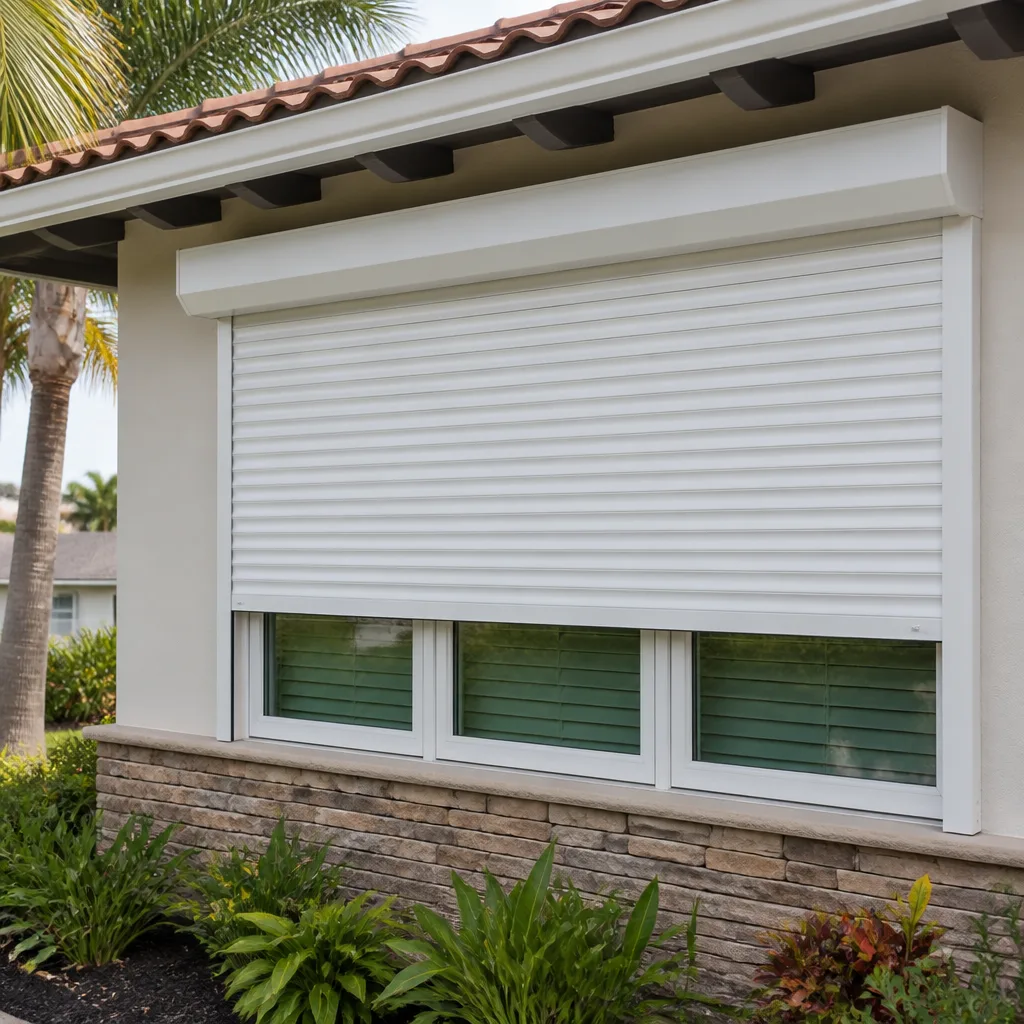
Installing impact-rated windows or doors, or installing impact-rated shutters or panels, requires a licensed contractor. The product must be installed according to the Florida Product Approval or Miami-Dade NOA (Notice of Acceptance) that governs its use. The installation must match the tested configuration exactly - substitutions in fasteners, sealants, or anchoring methods void the approval.
This is where window installation in Boca Raton diverges sharply from non-hurricane markets. A PGT WinGuard or CGI Estate Collection window is not a commodity product that installs the same way in Boca Raton as in Cleveland. The fastening schedule, the anchor type, the sealant bead dimension - all are specified in the NOA and require a contractor who maintains current product certification.
Real-Dollar Comparison: Professional Install vs. Unpermitted Self-Install
The cost comparison that matters is not the day-one invoice. It’s the documented cost at 1, 5, and 10 years, including all downstream consequences.
Scenario: 12-Window Replacement in a 1985 Boca Raton Home
Assume a typical home in Camino Gardens or similar interior neighborhood: single-story, block construction, original aluminum single-hung windows, replacement with vinyl impact-rated double-hungs from a standard manufacturer line.
| Cost Category | Professional Install (Permitted) | DIY Self-Install (Unpermitted) |
|---|---|---|
| Product (12 windows, mid-tier impact-rated) | $8,400-$10,800 | $8,400-$10,800 |
| Labor, permit, and inspection | $3,600-$4,800 | $0 (assumed saved) |
| Permit fees (Palm Beach County) | $485-$650 | $0 (not pulled) |
| Year 0 Total | $12,485-$16,250 | $8,400-$10,800 |
| Year 1: Insurance and Wind Mitigation | ||
| Wind mitigation inspection for insurance discount | $85-$125; form valid with permit documentation | $85-$125; form may be invalid or require contractor verification ($400-$800 per opening) |
| Insurance premium impact (annual) | Full discount applied: $400-$700/year savings | Discount denied or reduced: $0-$300/year savings |
| Year 1 Net Position | $12,570-$16,375 initial; $400-$700 annual savings | $8,485-$10,925 initial; potential $4,800-$9,600 verification cost if insurer requires |
| Year 5: Maintenance and Resale Preparation | ||
| Leak remediation (common with unflashed DIY installs) | Included under 365-Day Done Right Promise; rare after professional install | $2,500-$7,500 for stucco repair, interior drywall, mold remediation |
| Resale permit research and disclosure | Clean permit history; standard disclosure | Attorney consultation for unpermitted work disclosure: $500-$1,500 |
| 5-Year Cumulative | $12,570-$16,375 less $2,000-$3,500 insurance savings = $9,070-$14,375 | $8,485-$10,925 plus $2,500-$7,500 leaks plus $500-$1,500 legal = $11,485-$19,925 |
| Year 10: Sale or Refinance | ||
| Closing process | Standard; permit history confirms compliance | Potential title company requirement to permit retroactively or remove and reinstall |
| Retroactive permit cost (if required) | N/A | $2,400-$4,800 plus potential re-inspection and correction |
| Buyer’s price reduction demand for unpermitted work | N/A | $5,000-$15,000 (observed in Boca Raton transactions) |
| 10-Year Total Cost Position | $9,070-$14,375 less continued insurance savings | $18,885-$39,725+ (highly variable; worst case includes full reinstall) |
The table illustrates the threshold where professional installation becomes the lower-cost path. For most Boca Raton homes in the scenario above, that threshold arrives between years 3 and 5, when a single leak event or insurance complication erases the initial labor savings. By year 10, the unpermitted self-install has typically cost more, sometimes substantially more, than the professional path.
The window replacement in Boca Raton market includes homeowners who discover this math only at closing. We provide free second opinions on any written estimate, including competitor quotes, to help homeowners verify their projected costs before committing.
How Professional Installation Affects Your Wind Mitigation Score
Wind mitigation inspections in Florida determine insurance premium discounts based on eight construction features. Windows and doors affect three of these features directly, and professional installation with permit documentation is required to claim them.
Feature S1: Opening Protection
This is the big discount. A home with impact-rated glazing or approved shutters on all openings receives the maximum opening protection credit. To claim it, the inspector must verify:
- The product is listed on the Florida Product Approval database or carries a current Miami-Dade NOA
- The product is installed according to the approval - fastener type, spacing, sealant, and anchorage
- The installation is documented by permit and final inspection
An unpermitted self-install fails at step 3. The homeowner may have a PGT or CGI impact window correctly installed, but without the permit record, the inspector cannot verify that the installation matches the tested configuration. Some inspectors will accept photo documentation of fastening patterns; many will not.
The premium difference in Palm Beach County: homeowners with full opening protection credits typically save $400-$700 annually on a standard policy. Over 10 years, that’s $4,000-$7,000 - a significant portion of the installation cost.
Feature S2: Roof-to-Wall Connection
Window and door replacement does not directly affect this feature unless the work disturbs the connection. However, unpermitted structural modification that weakens the connection - for example, enlarging an opening and cutting into the top plate - can reduce the rating. Professional installations include structural verification as part of the permit process.
Feature S3: Roof Geometry
Not directly affected by window work, but relevant to the overall inspection context: a home with unpermitted modifications may trigger a more thorough inspector review of all features, including those unrelated to the windows.
The Documentation Chain
Professional installation creates a documentation chain - detailed in our Window Installation Maintenance Checklist for Boca Raton Homeowners - that the wind mitigation inspector can follow:
- Permit application with product specifications
- Manufacturer’s installation instructions on file
- Final inspection sign-off
- Certificate of Completion
- Photo record of installation (standard at Sightline under Haven Clause 4: Evidence on Every Job)
This chain is what converts a physical installation into an insurance discount. The homeowner who self-installs has the physical installation but not the chain. In Boca Raton’s insurance market, where carriers are increasingly selective about wind mitigation documentation, the missing chain is increasingly costly.
Common Mistakes to Avoid
- Assuming “like-for-like” replacement needs no permit. In Boca Raton, replacing an existing window with the same size window in the same opening still requires a permit if the product is impact-rated or if the wall is structural. The “no permit needed for same size” rule applies only to specific maintenance repairs, not product replacement.
- Buying impact-rated windows from a non-Florida dealer. Products sold for northern climates may carry NFRC ratings but lack Florida Product Approval or Miami-Dade NOA. These products cannot be permitted in Palm Beach County and will not qualify for wind mitigation discounts. Verify approval at floridabuilding.org before purchase.
- Installing retrofit windows without verifying frame condition. The retrofit installation that slides a new window into an existing frame assumes the frame is structurally sound. In Boca Raton’s salt-air environment, aluminum frames from the 1980s and 1990s often have hidden corrosion at the sill. A professional survey includes moisture meter readings and borescope inspection; a DIY install discovers the rot when the new window leaks.
- Skipping the water-resistive barrier step. Caulk is not a water-resistive barrier. The homeowner who applies a generous bead of sealant around a window without integrating pan flashing and head flashing has created a dam, not a drain. We see this most often on second-story installations in neighborhoods like Woodfield Country Club, where the homeowner couldn’t safely access the exterior to install proper flashing.
- Assuming the owner-builder exemption transfers to the next owner. It doesn’t. The exemption is personal and expires on sale. The buyer’s title company will search permit history, and unpermitted work appears as a gap. Some sellers attempt to permit retroactively; Palm Beach County allows this, but the process requires opening walls for inspection and often costs more than the original professional installation would have.
- Using standard windows in a designated wind-borne debris region. All of Boca Raton is within the wind-borne debris region defined by FBC 1609.1.2. Non-impact windows are permitted only if the home has an approved shutter or panel system for all openings. A homeowner who installs standard windows without verifying shutter coverage has created a code violation that will surface at the first inspection.
- Neglecting to document the installation with photos. Even permitted professional installations benefit from photo documentation. At resale, a photo record of flashing details, fastening patterns, and sealant application can resolve inspector questions without invasive wall opening. Under the Haven Standard, every Sightline installation includes this documentation as standard evidence.
When to Call a Professional
Call a licensed contractor when the work involves permits, structural modification, impact glazing, or any task where failure would compromise the building’s weather resistance or your ability to sell. For more guides & resources, visit our blog. In Boca Raton, this describes the majority of window and door projects.
Specific scenarios where professional installation is the only practical path:
- Any impact-rated window or door installation - product approval and fastening compliance are not DIY-verifiable
- Any project requiring a wind mitigation form for insurance - the documentation chain requires permit history
- Any home you intend to sell within 10 years - the owner-builder resale restriction creates closing risk
- Any second-story or elevated installation where fall protection is required - this is safety-critical work
- Any project where the existing frame shows moisture damage or corrosion - structural repair is contractor-only
Sightline Windows & Doors Boca Raton home operates under the Haven Standard that has governed every installation since 2012. Every engagement begins with a measured survey the customer keeps, and the written quote cannot differ from that document. We install across eight product categories from PGT, CGI, CWS, ES Windows, ECO Window Systems, Mr-Glass, Therma-Tru, and ViewLux - specified by what the opening requires, not by what is in stock.
Sightline Windows & Doors Boca Raton offers free estimates in Boca Raton. Call (561) 200-8592 to schedule your measured survey, or bring us any competitor’s written estimate for a free second opinion under Haven Clause 1.
Frequently Asked Questions
No, not legally. Florida Building Code Section 105.1 requires a permit for window replacement in all configurations that involve product change, including like-for-like replacement. The owner-builder exemption allows a homeowner to pull the permit personally for qualifying work, but the permit itself is still required, and the exemption carries resale restrictions and personal liability for workers’ compensation.
Professional installation of a standard replacement window in Boca Raton runs $300-$400 per opening for labor, permit, and inspection, in addition to product cost. DIY saves this labor but adds permit compliance risk, potential leak remediation at $2,500-$7,500, and possible resale costs of $5,000-$15,000 if unpermitted work is discovered. Most homeowners see the professional path become cost-neutral by year 3-5 and advantageous by year 10. Call (561) 200-8592 for an exact quote on your specific openings - estimates are free.
Florida’s seller disclosure statute requires disclosure of unpermitted improvements. A title company search will reveal permit gaps, and the buyer’s insurer may require verification of impact-rated installations. Remediation typically costs $400-$800 per opening for contractor verification, or $2,400-$4,800 for retroactive permitting, plus potential buyer negotiation for price reduction. The owner-builder exemption does not transfer; it expires on sale.
Yes. All of Palm Beach County, including Boca Raton, is within the wind-borne debris region. New and replacement windows must be impact-rated or protected by an approved shutter or panel system. Standard windows are permitted only with documented shutter coverage for every opening. Impact-rated products from PGT, CGI, and other Florida-approved manufacturers carry the Miami-Dade NOA or Florida Product Approval required for permitting.
Yes, if the installation is permitted, inspected, and documented. Impact-rated glazing with proper installation documentation qualifies for opening protection credits on the wind mitigation form, typically reducing premiums by $400-$700 annually. The key is the documentation chain: permit, final inspection, and product approval verification. Unpermitted installations, even with correct products, may not qualify. Call (561) 200-8592 to discuss how our documented installation process supports your wind mitigation inspection.
Yes. Interior trim installation and hardware replacement are homeowner-permissible tasks that do not require a permit if no structural modification occurs. Many Boca Raton homeowners have Sightline handle the structural installation, permit, and inspection, then complete interior finishing themselves. This splits the cost difference legally: the permit-required work is documented and compliant, while the finish work reflects personal preference without regulatory risk.
The Bottom Line
In Boca Raton, the DIY vs. professional question for windows and doors is answered by permit law, not skill level. Florida Building Code and Palm Beach County requirements make professional installation the legal default for most replacement scenarios, and the owner-builder exemption carries restrictions that erode or eliminate its apparent savings. The documented cost comparison favors professional installation by year 3-5 for most homeowners, and by year 10 the gap is substantial. For impact-rated products, wind mitigation documentation, and resale protection, the professional path provides evidence that the DIY path cannot replicate. The measured survey, written quote, and photo record are not marketing additions - they’re the documentation that converts physical work into legal compliance and financial protection.
Written by Sonia Raman, Owner at Sightline Windows & Doors Boca Raton, serving Boca Raton since 2012.