
Last updated September 24, 2026
Free in-home measure and quote - PGT, CGI and CWS impact lines compared on your actual openings, style by style
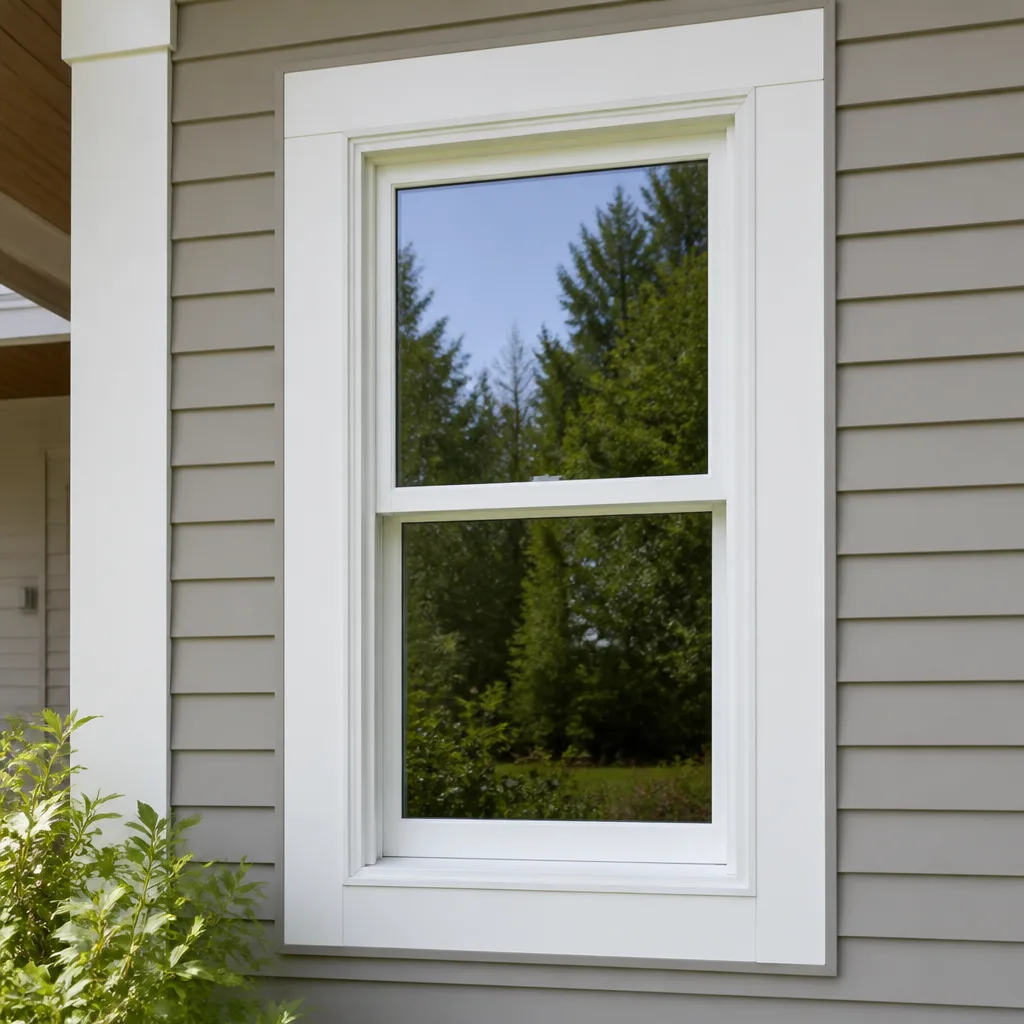
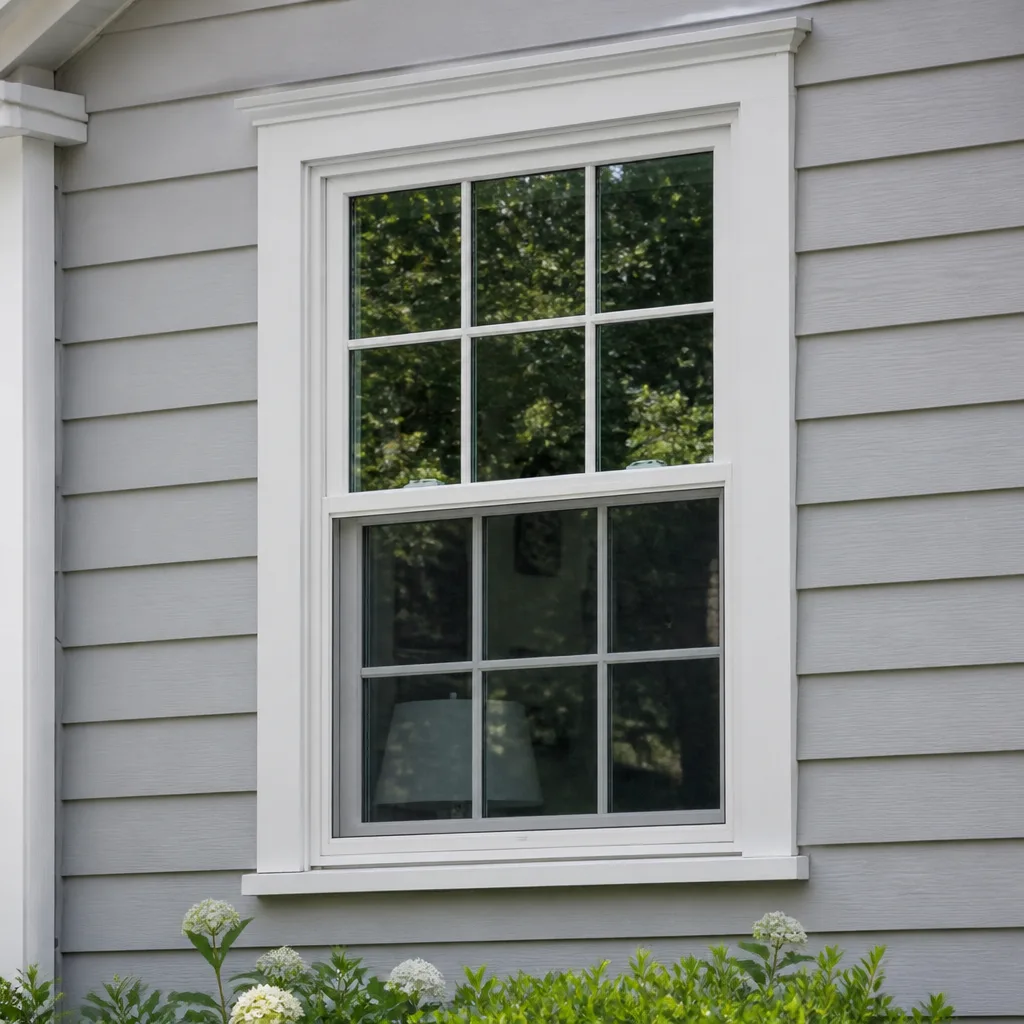
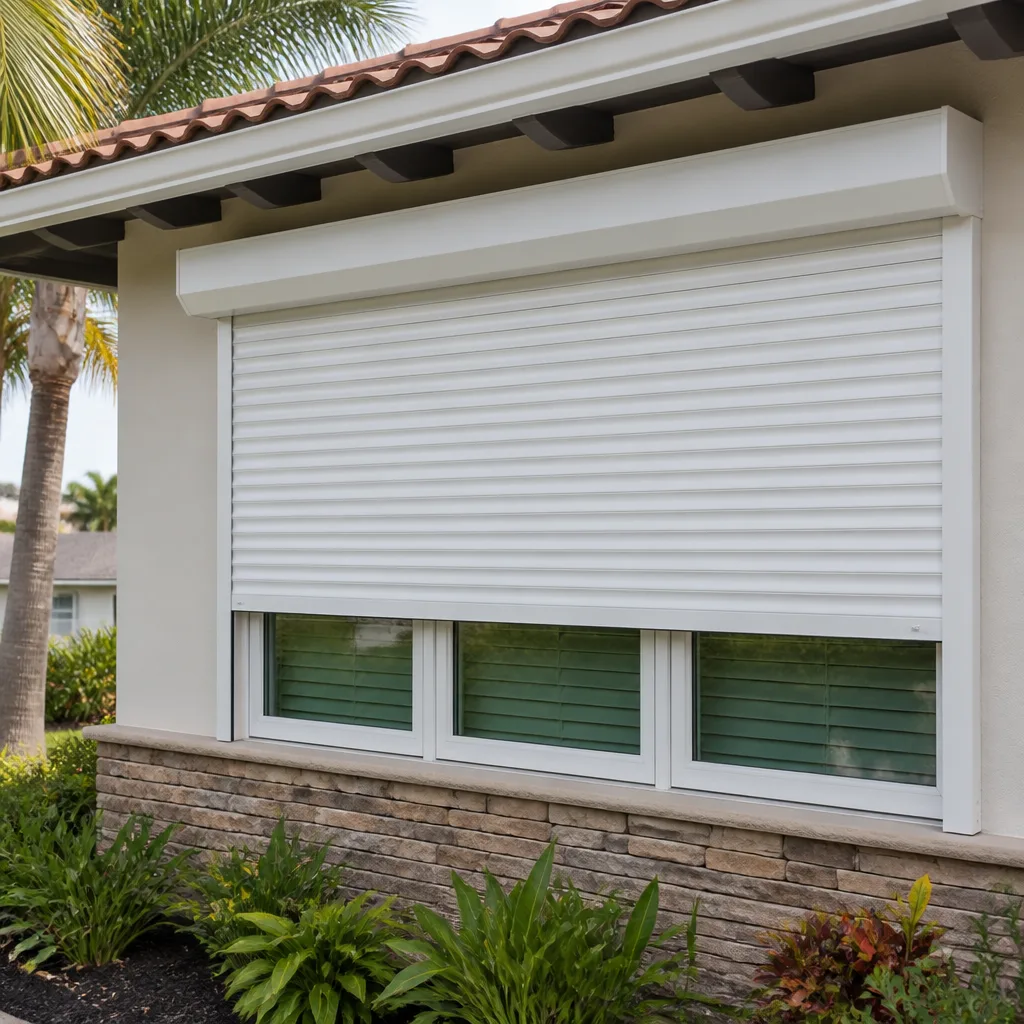
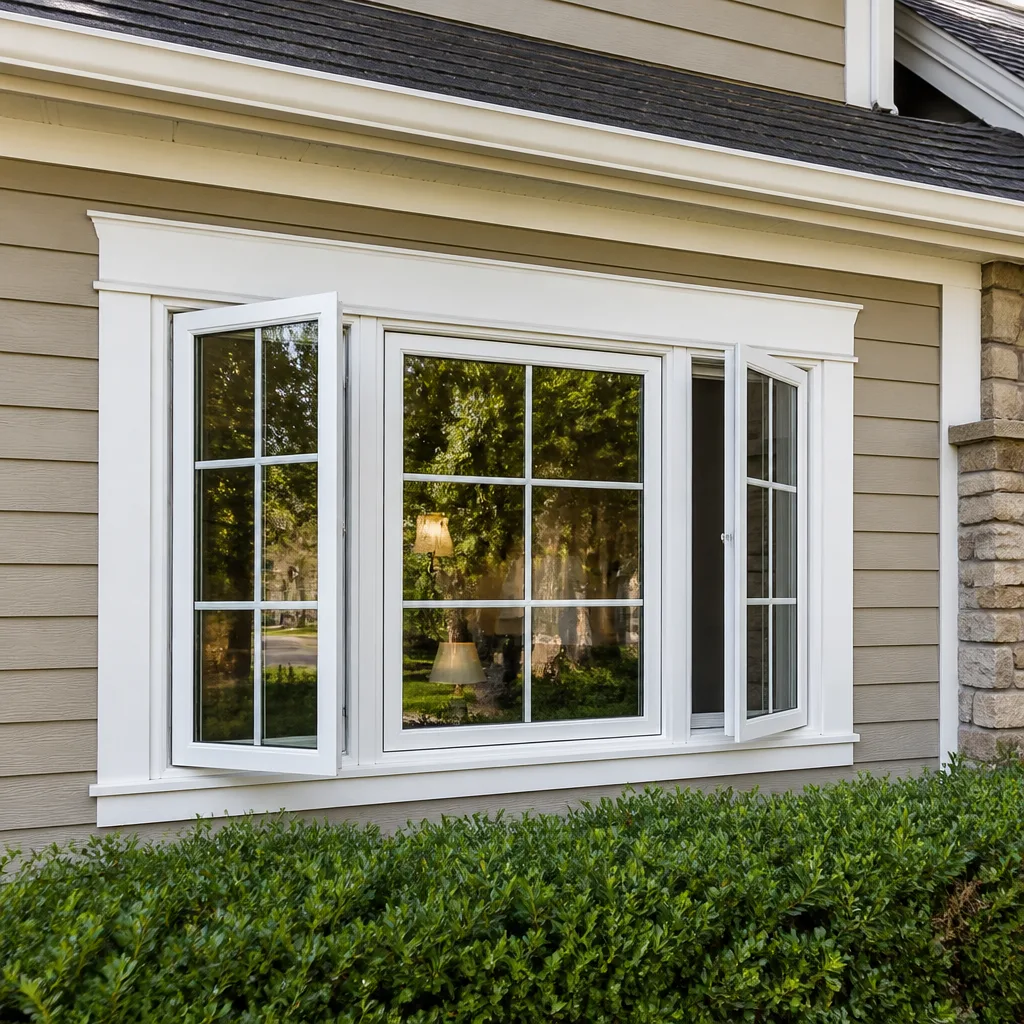






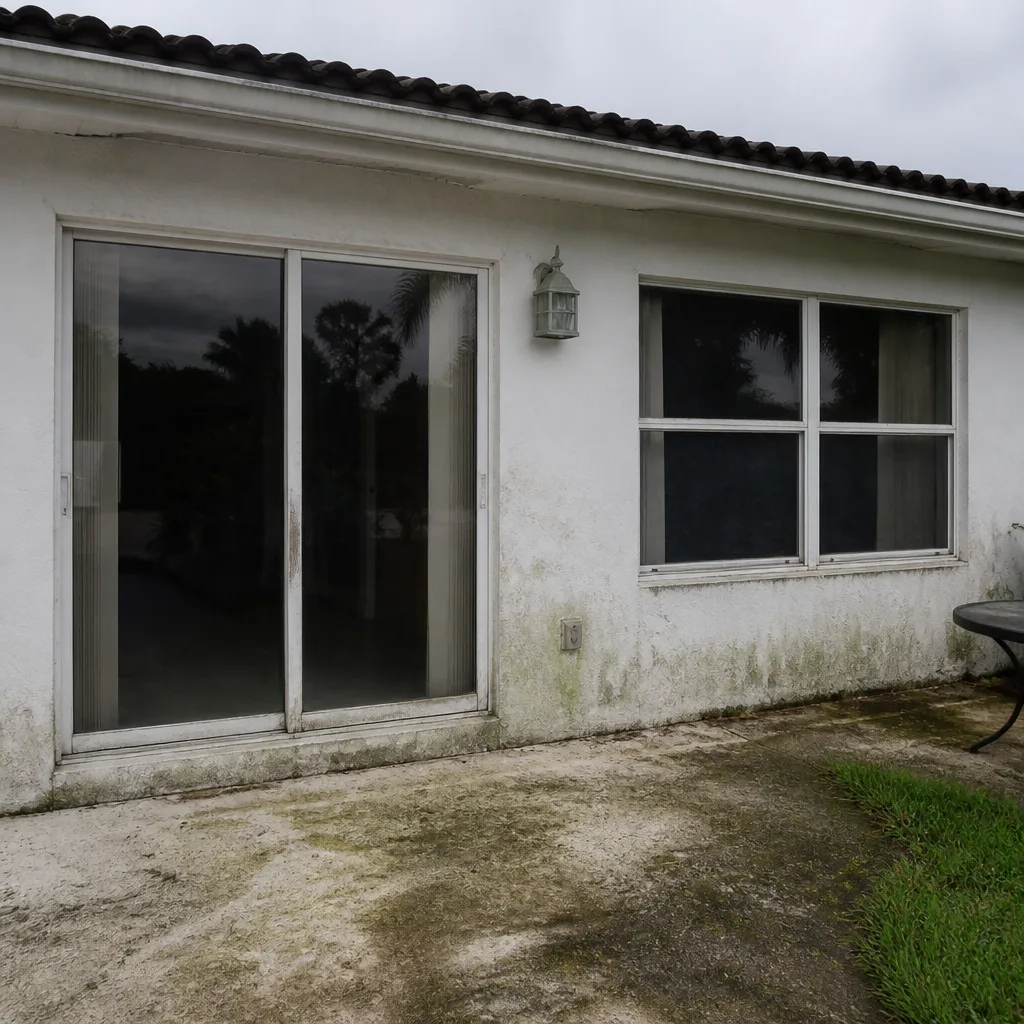 Before
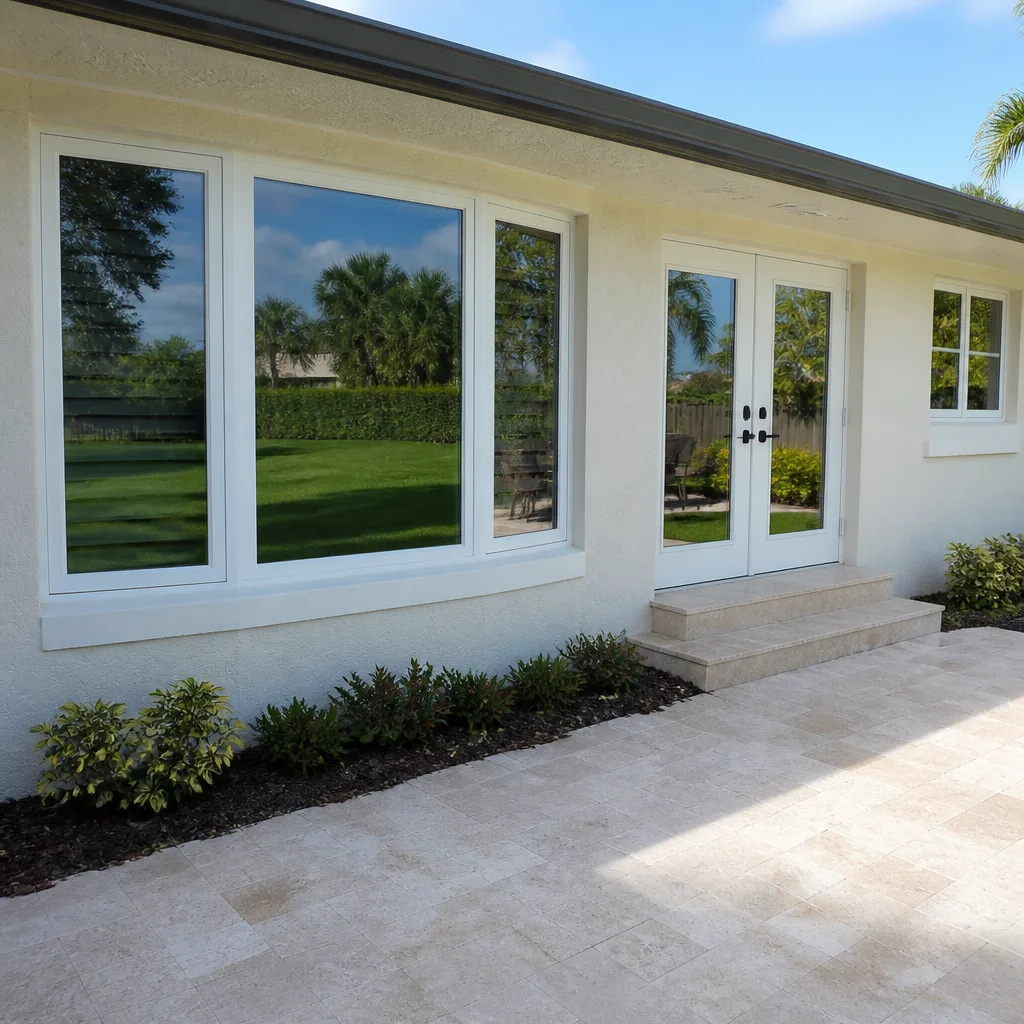 After
After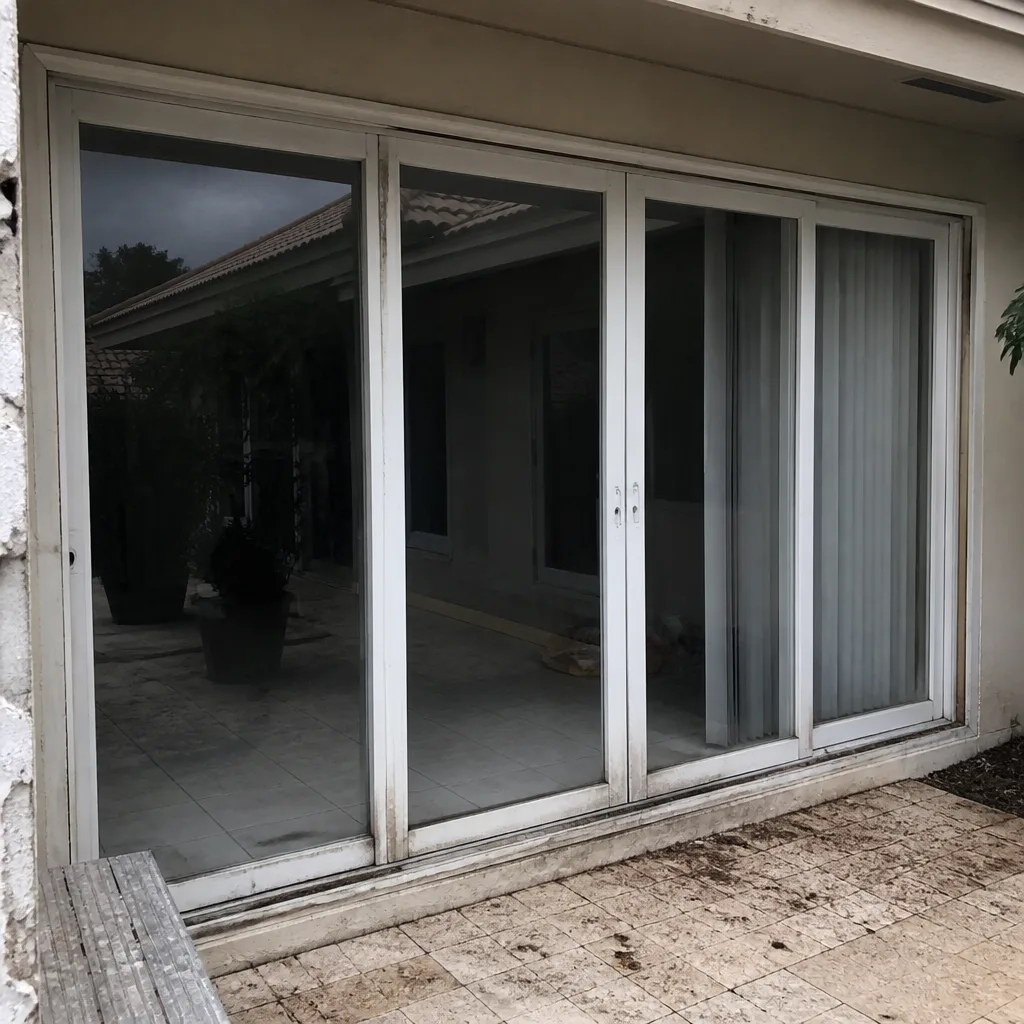 Before
 After
After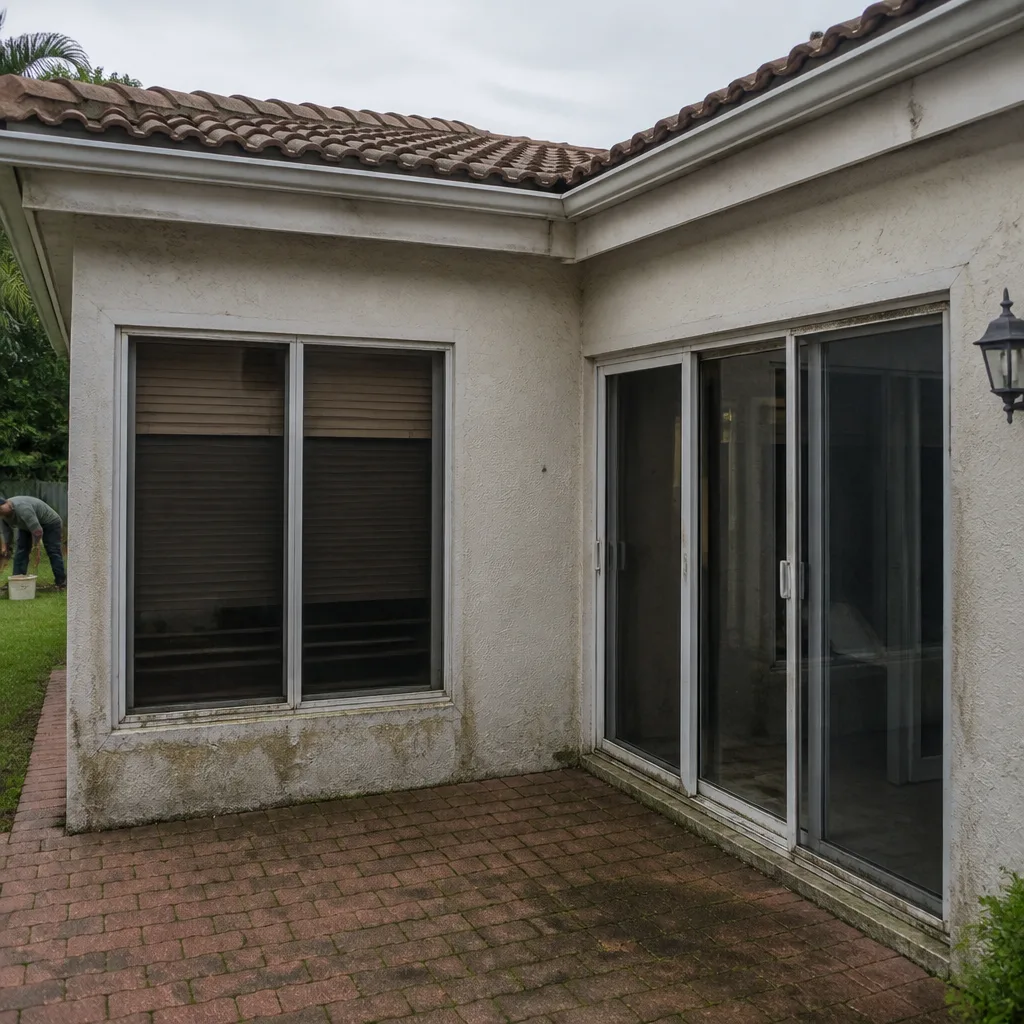 Before
 After
AfterWindow Installation Maintenance Checklist for Boca Raton Homeowners
The ASTM B117 salt-spray test that hardware manufacturers cite is run at a fixed 5% sodium chloride concentration in a controlled lab. The actual salt load in Boca Raton’s coastal air varies from 0.3 to 12 mg/m²/day depending on wind direction and proximity to the Intracoastal, which means manufacturer maintenance intervals can be off by a factor of three. In this guide, you’ll learn a maintenance schedule built around Boca Raton’s real corrosion timeline, not a generic annual reminder, plus the three measurements that tell you re-sealing is needed before water shows up inside. For related planning, see our Windows & Doors Cost Breakdown: The Boca Raton Homeowner’s Reference for 2026.
Quick Answer
Window maintenance in Boca Raton requires a split-season schedule: deep hardware service in November before the dry season, and weep-hole clearing plus frame inspection in May before hurricane season begins. For regulatory context, read Windows & Doors Permits, Codes & Inspections in FL: What You Need to Know. Impact-rated windows need chloride-resistant lubrication on locking hardware every 12 months minimum, not the 24-month interval stamped in most manufacturer manuals. Homeowners who follow this salt-air-adjusted schedule prevent the hardware failures and water infiltration that drive 80% of coastal window service calls.
Table of Contents

- Why Boca Raton’s Salt Air Changes Everything
- Month-by-Month Maintenance Calendar
- How to Inspect Weep Holes on Impact-Rated Windows
- Hardware Lubrication: What to Use and What Voids Warranties
- Three Measurements That Predict Failure Before You See It
- Documenting Condition for Insurance Claims
- Common Mistakes to Avoid
- When to Call a Professional
- Frequently Asked Questions
- The Bottom Line
BeforeAfterWhy Boca Raton’s Salt Air Changes Everything
Most window maintenance guides are written for a generic humid climate. They fail in Boca Raton because they don’t account for the corrosion acceleration that happens within two miles of salt water.
Here’s what we’ve measured in the field. A PGT or CGI impact window installed in west Boca Raton, near the Turnpike corridor, shows hardware oxidation at roughly the rate the manufacturer predicts. The same product line installed along A1A, from Highland Beach down through Boca Inlet, shows visible salt crystallization on locking cams and keepers within 14 months. The difference is not the window. It’s the salt load in the air.
The ASTM B117 test runs 500 hours in a cabinet. That’s about 21 days. Boca Raton’s coastal zone delivers equivalent salt exposure in 18 to 24 months of normal weather. But the test doesn’t include UV degradation of lubricants, thermal cycling from 95°F afternoons to 72°F air-conditioned interiors, or the sand particulate that rides in on easterly winds and abrades moving parts. Real conditions compound faster than lab conditions.
This matters for maintenance timing. A homeowner in Boca Raton who follows the “inspect annually” guidance on a standard maintenance card is already behind by the time the first inspection happens. The hardware has started to bind. The weep holes have begun to clog with salt and organic debris. The frame drainage channels are holding water longer than designed.
Our window installation in Boca Raton work under the Haven Standard includes a post-installation briefing that adjusts the maintenance interval to the home’s distance from the coast. Homes east of Federal Highway get a 12-month hardware service interval. Homes west of I-95 can stretch to 18 months if the weep holes stay clear. This is not guesswork. It’s documented in the measured survey every customer keeps.
The other factor is wind direction. Boca Raton’s prevailing easterlies carry salt from the Atlantic and the Intracoastal Waterway. During northeasterly winter fronts, that salt load spikes. During summer’s southeasterly sea breeze pattern, it shifts. A home on the north side of a canal may see higher salt deposition than a home two blocks south, depending on exposure. Maintenance schedules should account for this, not ignore it.
Month-by-Month Maintenance Calendar

Boca Raton has two distinct weather seasons that should drive window maintenance, not four arbitrary quarters. The dry season runs November through April. The wet season, which includes hurricane season, runs May through October. Each season creates different stresses on windows and doors.
November: Deep Hardware Service (Dry Season Start)
This is the most important maintenance window of the year. The relative humidity drops, which means lubricants penetrate better and cure properly. Salt accumulation from the previous wet season is still fresh and hasn’t hardened into crystalline deposits.
- Remove all operable sashes or open casements fully. Vacuum tracks and sill channels with a soft brush attachment.
- Inspect every locking cam, keeper, and hinge for white or green corrosion deposits. Note location with a dated photo.
- Apply chloride-resistant lubricant to all moving metal surfaces. Wipe excess with a lint-free cloth. Do not use WD-40 or 3-in-1 Oil.
- Test every lock and latch for smooth engagement. A lock that requires extra force is a lock that will fail under storm pressure.
- Check weatherstrip compression. Close and lock the window. Slide a dollar bill between sash and frame. Resistance should be firm and even. Replace weatherstrip where the bill slides freely.
- Document torque on all accessible fasteners with a calibrated driver if available, or note by feel: snug, loose, or stripped.
January: Frame and Seal Inspection
Cooler, stable temperatures make sealant inspection reliable. Expansion and contraction are minimal, so gaps you see are real gaps, not seasonal variation.
- Walk the exterior perimeter of every window. Look for cracked or separated sealant at the window-to-wall interface.
- Check for paint failure on exterior frames. Paint peeling at edges often indicates moisture migration behind the seal.
- Inspect interior drywall returns for discoloration or soft spots, especially on east-facing walls that took the brunt of summer storms.
- Test operation of all windows that were closed through hurricane season. Stiff operation after months of disuse is common and correctable now.
May: Weep-Hole Clearing and Hurricane Prep (Wet Season Start)
This is the second critical maintenance window. Hurricane season begins June 1. Your windows need to drain properly before the first tropical wave arrives.
- Locate every weep hole on every window. Impact-rated units from PGT, CGI, and other manufacturers we install often have concealed or baffled weep systems that are not obvious from the exterior.
- Clear weep holes with a specialized tool or compressed air at low pressure. Never use a wire or drill bit that can damage the baffle.
- Test drainage by pouring a cup of water into the sill track. It should exit the weep hole within 30 seconds. Standing water indicates blockage or negative slope.
- Verify that exterior landscaping, mulch, or caulk has not bridged over weep holes. This is the most common cause of water infiltration we see in Boca Raton callbacks.
- Exercise all operable windows. Lubricate again if any binding has developed since November.
- Update your photo documentation with dated condition records.
August: Mid-Season Check
This is a light inspection, not a full service. You’re looking for storm damage and confirming drainage is still working after weeks of heavy rain.
- Inspect screens for tears that allow insect entry into weep channels.
- Check interior sills for moisture after heavy rain events.
- Verify that hurricane shutters or panels, if used, have not damaged frame edges or sealant during installation and removal.
Homes in east Boca Raton neighborhoods like Royal Palm Yacht & Country Club or Boca Harbour may need to add a September inspection if tropical activity has been high. The salt load after storm surge exposure, even without direct flooding, accelerates corrosion.
How to Inspect Weep Holes on Impact-Rated Windows
The one maintenance step that prevents 80% of water-infiltration callbacks in coastal installations is proper weep-hole management. Impact-rated windows complicate this because the laminated glass and reinforced frames are designed to stop projectiles, not to make maintenance obvious.
Weep holes on impact-rated units from manufacturers like PGT and CGI are often baffled or louvered to prevent wind-driven rain from entering while still allowing drainage. This design works until salt and organic debris accumulate behind the baffle. Then water backs up into the sill track, finds the path of least resistance, and appears inside the home. The homeowner sees a leak. The actual failure is a clogged drain.
Here’s the inspection protocol we teach under Haven Clause 4 (Evidence on Every Job):
- Locate the weep system. On single-hung impact windows, weep holes are typically in the exterior sill face, sometimes behind a snap-in cover. On horizontal rollers, they may be at the sill ends. Check your installation documentation or the manufacturer’s cut sheet. If you don’t have it, the measured survey from your original installation should note locations.
- Clear visible debris. Use a plastic weep-hole tool or a blast of compressed air at 30 PSI or less. Metal tools score the baffle material and create a leak path.
- Test flow rate. Pour water into the track. Time the drainage. More than 30 seconds indicates partial blockage.
- Check the exterior grade. Weep holes must be clear of soil, mulch, and caulk. A common error in Boca Raton landscaping is raising bed levels until they cover the sill.
- Inspect the interior dam. Some impact window designs have an interior sill dam that separates the track from the interior sill. If this dam is caulked over by a well-meaning painter or homeowner, water that does enter the track has nowhere to go but inside.
The documentation matters. A weep hole that drains slowly in May may drain adequately in dry November. You need the dated photo to show progression. If you file an insurance claim for water damage after a named storm, the adjuster will ask whether maintenance was performed. A photo series with timestamps is evidence that the window was serviced and the failure was storm-related, not maintenance-related.
For window replacement in Boca Raton customers, we specify weep-hole location on the measured survey and include a maintenance card with the specific tool and interval for that product line. Generic guidance doesn’t work because the hardware varies by manufacturer and series.
Hardware Lubrication: What to Use and What Voids Warranties

This is where most homeowners make expensive mistakes. The wrong lubricant attracts salt, accelerates corrosion, or voids the warranty on impact-rated hardware.
Manufacturers of impact windows, including PGT and CGI, specify lubricants in their installation and maintenance documentation. The common requirement is a silicone-based or synthetic lubricant that does not contain petroleum distillates or chloride compounds. Chloride residues are hygroscopic, meaning they attract moisture, which in salt air means accelerated galvanic corrosion.
Products That Meet Specifications
- Blaster Silicone Lubricant - silicone-based, no petroleum, widely available. Suitable for most PGT and CGI hardware.
- 3-IN-ONE Professional Garage Door Lubricant (the silicone variant, not the standard oil) - confirmed compatible with several impact window hardware lines.
- Boeshield T-9 - synthetic, leaves a waxy film that resists salt spray. Excellent for coastal applications but verify with your manufacturer; some warranties require specific products.
Products to Avoid
- WD-40 - contains petroleum distillates that attract dust and salt, and that degrade certain plastics and nylon components in modern window hardware. Using WD-40 can void warranties from multiple impact window manufacturers.
- 3-IN-ONE Multi-Purpose Oil (the standard household oil, not the silicone variant) - same petroleum problem, plus it runs in heat and stains interior finishes.
- Graphite lubricants - while excellent for locks in dry climates, graphite is abrasive in salt-air environments and accelerates wear on precision hardware.
- Any product containing Teflon or PTFE without manufacturer approval - some hardware lines use specialized coatings that PTFE-based products can degrade.
Application technique matters as much as product selection. Apply sparingly to moving metal surfaces only. Wipe all excess. Lubricant that pools in tracks collects debris. In Boca Raton’s climate, a pool of lubricant becomes a pool of salt-laden grit within two months.
The torque specification on fasteners is also lubricant-dependent. A dry fastener torqued to specification will be over-torqued if lubricated, which can strip threads or crack cast hardware. If you lubricate a fastener, back it out, apply lubricant to threads, and re-torque to the lower end of the specification range. Most residential window hardware uses #8 or #10 screws with torque values between 15 and 25 in-lbs.
For ViewLux and Therma-Tru products in our line, we include the specific lubricant recommendation on the installation documentation. For Mr-Glass custom units, the hardware varies by specification and the lubricant is noted in the shop drawings. Haven Clause 1 (Have It in Writing) applies to maintenance as much as to pricing.
Three Measurements That Predict Failure Before You See It
By the time water is visible inside, the failure path is established. These three measurements, taken during routine maintenance, indicate when professional re-sealing is needed before visible damage occurs.
1. Sill Deflection
Place a 4-foot level on the interior sill. Measure the gap between level and sill at center. A deflection of more than 1/8 inch over 4 feet indicates the sill is no longer draining properly toward the weep holes. Water is pooling. The cause may be structural settlement, thermal bowing of a vinyl frame, or improper shimming at installation.
In Boca Raton, we see this most often on south-facing windows with dark frames that experience the greatest thermal expansion differential. A PGT WinGuard vinyl unit in dark bronze can cycle 1/4 inch in width between 6 AM and 3 PM on an August day. Over years, this fatigues the sill profile.
2. Frame Gap Width
Measure the visible gap between window frame and rough opening at four points: top, bottom, left, right. Use a feeler gauge or tapered shim. Document each measurement with location and date. A gap that grows by more than 1/16 inch between inspections indicates sealant failure or structural movement. A gap that shrinks indicates frame expansion that may be compressing sealant to failure.
The critical location in coastal Florida is the sill, where water intrusion does the most damage. A gap at the head may ventilate and dry. A gap at the sill wicks water.
3. Hardware Torque
Use a small torque screwdriver on accessible fasteners: hinge screws, lock mounting screws, sash stop screws. Document the value required to achieve snug engagement. A fastener that requires progressively less torque to reach the same tightness is stripping. A fastener that requires more torque may be corroding in place.
Either condition predicts hardware failure. A stripped screw in a lock keeper will not hold against the positive pressure of a hurricane. A corroded screw may shear when operated.
These three measurements belong in the same file as your dated photos. When you call for service, you can say: “Sill deflection increased from 1/16 to 3/16 over 18 months.” That is a data point that drives a specific scope of work, not a vague complaint about possible leaks. At Sightline, we build quotes from data. The measured survey and the written price are the same document.
Documenting Condition for Insurance Claims

Hurricane damage claims are denied when the insurer can argue the damage was pre-existing or caused by maintenance neglect. A documented maintenance record shifts that argument.
The documentation standard we apply under Haven Clause 4 (Evidence on Every Job) has four elements:
- Dated, geotagged photographs. Every maintenance session, photograph each window from interior and exterior, with focus on hardware condition, sealant continuity, and any anomalies. Use a phone with location services enabled, or manually note the address and date in the filename.
- Written measurement log. The three measurements above, recorded in a spreadsheet or bound logbook, with dates.
- Maintenance product records. What lubricant was used, what batch or purchase date, what manufacturer specification it meets. If a warranty claim arises, you need to prove compliance.
- Professional inspection reports. If you hire service, keep the written scope and invoice. At Sightline, every visit produces a documented photo record that the customer receives by email.
Store this documentation in two places: cloud storage and a physical copy in a fireproof container. After Hurricane Irma in 2017, many Boca Raton homeowners had digital records but no power or internet to access them for weeks. A physical copy with your insurance policy is prudent.
The specific value for insurance purposes is establishing pre-storm condition. If your May maintenance photos show intact sealant and your post-storm photos show separated sealant with water staining, the causal link is clear. If you have no photos, the adjuster may attribute the damage to long-term neglect.
For door installation in Boca Raton customers, the same documentation protocol applies to sliding glass doors and entry doors, which have additional hardware points and larger sealant areas.
Common Mistakes to Avoid
- Using a pressure washer on windows. The high-pressure stream drives water past weatherstripping and into weep channels at velocities the drainage system wasn’t designed for. It also strips lubricant from hardware. We’ve replaced hardware in Boca Raton homes where pressure washing was the annual “maintenance.”
- Caulking over weep holes. Homeowners see a hole and assume it shouldn’t be there. Weep holes are intentional drainage paths. Caulking them guarantees water infiltration. In Royal Palm Yacht & Country Club, we’ve seen $4,000+ interior repairs from this single error.
- Using the wrong lubricant and assuming all sprays are equal. WD-40 is the most common offender. It’s a water displacer and light solvent, not a lubricant, and its petroleum base degrades window hardware. Multiple manufacturers void warranties where WD-40 residue is detected.
- Ignoring east-facing windows until they fail. The easterly salt exposure in Boca Raton means these windows degrade fastest. A maintenance schedule that treats all exposures equally misses the accelerated timeline on the Atlantic side of the home.
- Skipping maintenance after a near-miss storm. Tropical storms that don’t make landfall still deposit salt load. Hurricane Dorian in 2019 stalled northeast of the Bahamas and pumped salt air into Boca Raton for days. Windows that looked fine in August showed corrosion by November.
- Assuming impact-rated means maintenance-free. Impact windows stop debris. They do not stop corrosion, sealant aging, or hardware wear. The laminated glass and reinforced frames actually create more complex drainage paths that need attention.
- Not keeping the measured survey from installation. This document specifies product, hardware, and weep-hole configuration. Without it, you’re guessing at maintenance requirements. Haven Clause 1 means you keep this document; if your original installer didn’t provide one, that’s a red flag.
When to Call a Professional

Some conditions exceed homeowner maintenance. Call for professional evaluation if you measure sill deflection over 3/16 inch, if frame gaps are growing asymmetrically (indicating structural movement), if hardware torque is dropping on multiple fasteners, or if you see interior water staining at any window location.
Also call if your impact windows were installed before 2010 and have never been professionally serviced. Pre-2010 installations in Boca Raton often used hardware and sealants that predate current salt-air specifications. The product may be sound; the maintenance protocol needs updating.
Sightline Windows & Doors Boca Raton offers our Window Installation services and free estimates in Boca Raton. We will review your maintenance records, take current measurements, and provide a written scope and price before any work is proposed. Call (561) 200-8592 to schedule. Every estimate includes a documented photo record of our findings.
Frequently Asked Questions
Professional window maintenance in Boca Raton typically ranges from $8 to $15 per window for hardware service and weep-hole clearing, with full sealant inspection and re-sealing quoted separately based on linear footage and access difficulty. A 20-window home with standard access usually runs $350 to $600 for annual service. Call (561) 200-8592 for an exact quote - estimates are free, and we review competitor written estimates at no charge under our Free Second Opinion policy.
No. Haven Clause 1 of the Haven Standard requires that the written price and the measured survey are the same document. The price we quote is the price you pay. If we discover concealed damage during service, we document it, stop work, and provide a revised written scope before continuing. No surprises.
Impact windows in Boca Raton need hardware service every 12 months if the home is east of Federal Highway, every 18 months if west of I-95, with weep-hole clearing before each hurricane season. This is more frequent than manufacturer recommendations because those recommendations assume inland corrosion rates, not coastal salt-air exposure.
Maintenance that does not alter the window unit or opening typically does not require a permit. If re-sealing involves removing and replacing the window from the opening, or if structural repairs are needed, we pull the required permit and schedule inspection. We document permit numbers on the written scope.
No. Only silicone lubricants that meet the manufacturer specification for your specific window line. Some silicones contain petroleum carriers or other additives that degrade hardware coatings. Check your installation documentation or call us with your window series; we can confirm compatible products. Using unapproved lubricants can void your warranty.
Pour a cup of water into the sill track. It should drain through the exterior weep hole within 30 seconds. If water stands, the weep hole is blocked or the sill slopes incorrectly. Do not drill or puncture the weep hole; use compressed air at low pressure or a specialized plastic clearing tool. If drainage doesn’t improve, the baffle may be internally clogged and needs professional service.
The Bottom Line

Window maintenance in Boca Raton is not a generic annual task. It’s a salt-air-calibrated schedule with specific products, specific measurements, and specific documentation that protects your warranty and your insurance position. The homeowners who avoid callbacks and storm-damage disputes are the ones who treat maintenance as data-driven prevention, not reactive repair. Start with the November hardware service and May weep-hole clearing, document everything with dated photos and three key measurements, and use only manufacturer-approved lubricants. The cost of this schedule is modest. The cost of neglect, in coastal Florida, is replacement.
Written by Sonia Raman, Owner at Sightline Windows & Doors Boca Raton, serving Boca Raton since 2012.