
Last updated September 24, 2026
Free in-home measure and quote - PGT, CGI and CWS impact lines compared on your actual openings, style by style
 Before
 After
After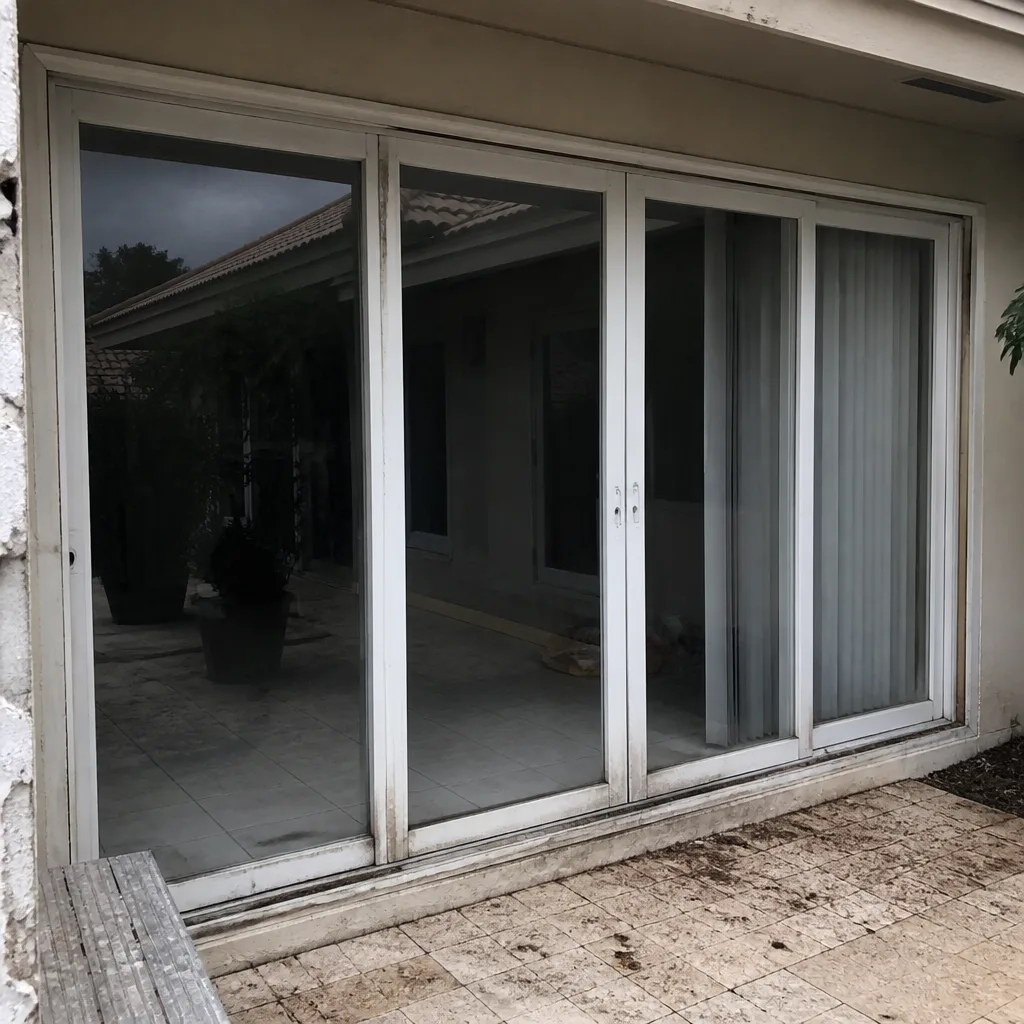 Before
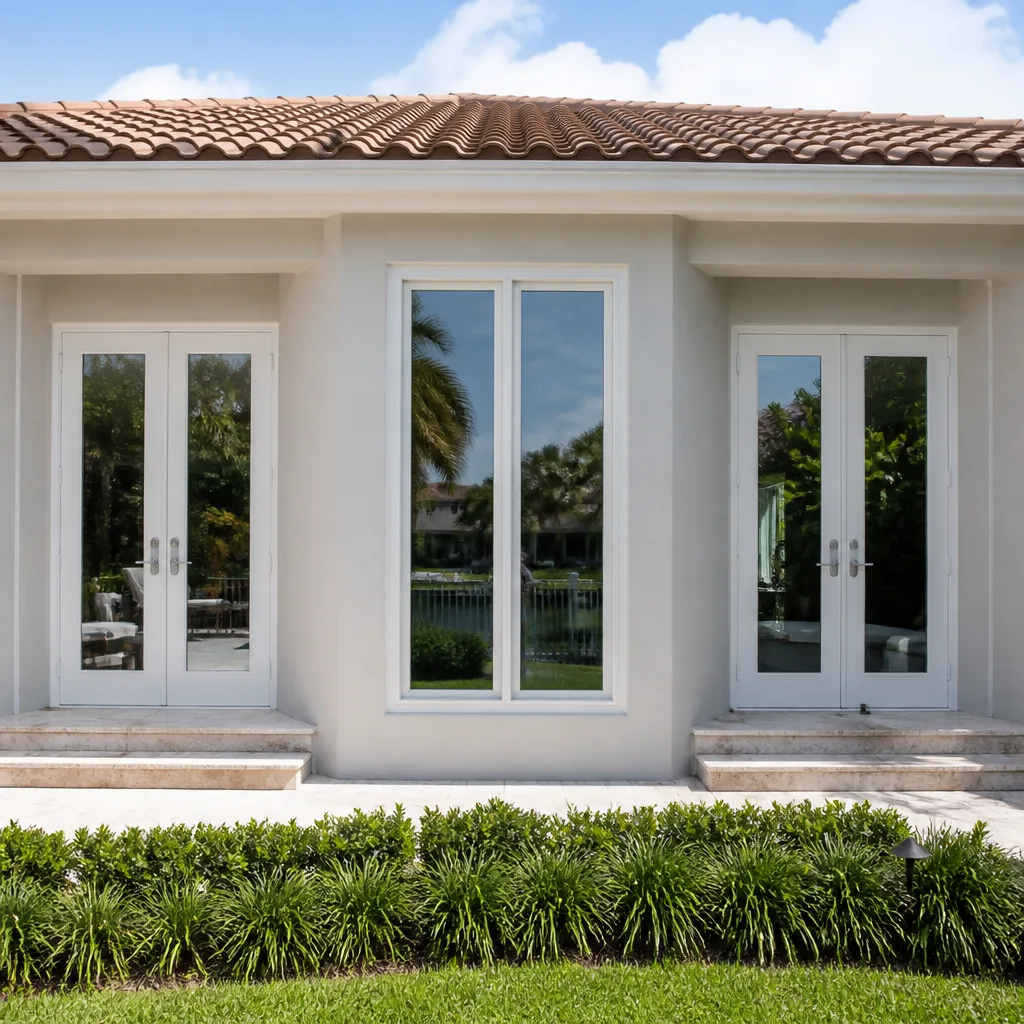 After
After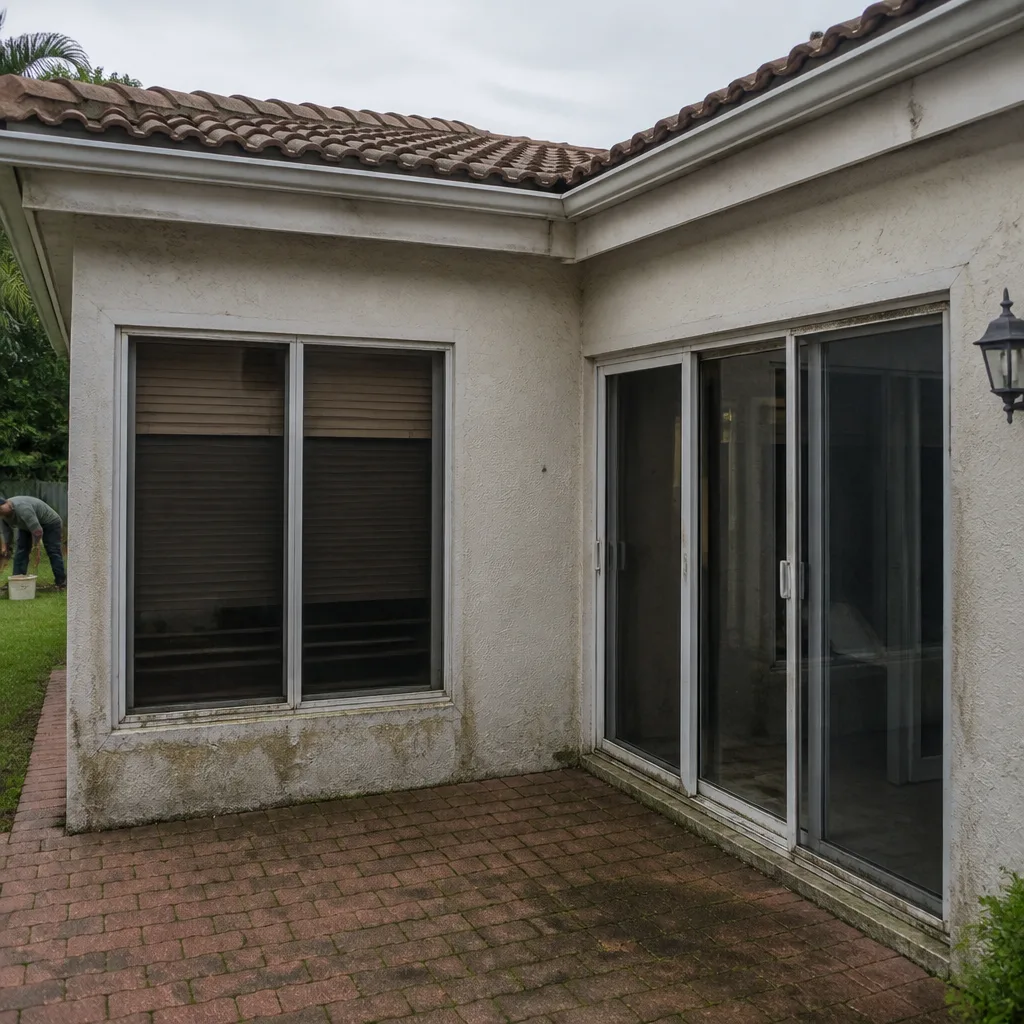 Before
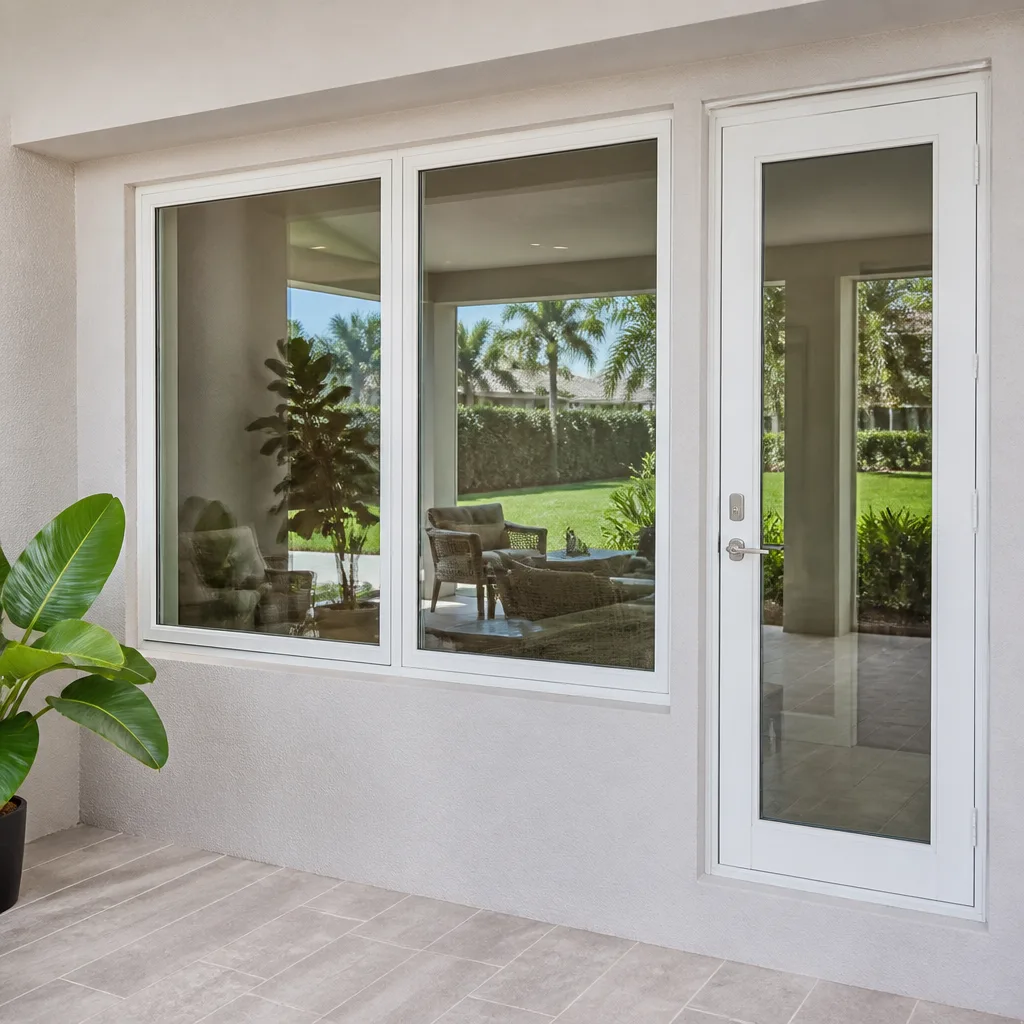 After
AfterSeasonal Windows & Doors Care for Boca Raton: Year-Round Homeowner’s Guide
Most seasonal window guides are written for temperate climates and adapted for Florida by swapping “winterize” for “storm prep.” That substitution misses the dry-season salt-crystal accumulation problem that is unique to southeast Florida and accounts for more hardware failures than storm damage in non-hurricane years. In Boca Raton, your windows and doors face two distinct seasons - not four - and the maintenance tasks that protect them in each are so different they shouldn’t share the same checklist. This guide separates dry-season oxidation prevention from pre-hurricane-season structural verification, assigns specific tasks to each with the tools and costs required, and gives you a Window Installation Maintenance Checklist for Boca Raton Homeowners in a documented inspection format that holds up with insurers.
Quick Answer
Boca Raton homeowners should follow a two-season maintenance protocol: November through April, rinse hardware monthly with fresh water to prevent salt crystallization and pitting on aluminum frames; May through October, verify impact-door multipoint lock engagement and glazing compound adhesion before June 1. Replace weatherstripping, threshold seals, and sash balances on a fixed two-year cycle regardless of visible wear.
Table of Contents
- The Dry-Season Protocol: November Through April
- Hurricane-Season Prep: May Through October
- How to Test Glazing Compound Adhesion Without Tools
- Post-Storm Inspection: The 48-Hour Protocol
- The Two-Year Replacement Timeline for Boca’s Climate
- Tools, Materials, and What They Cost in Boca Raton
- Common Mistakes to Avoid
- When to Call a Professional
- Frequently Asked Questions
BeforeAfterThe Dry-Season Protocol: November Through April
Boca Raton’s dry season runs roughly November through April, with relative humidity regularly dropping below 55 percent. That low humidity is what makes the season comfortable - and what makes salt crystallization on window and door hardware accelerate.
Here is the mechanism: salt spray from the Atlantic and from the Intracoastal Waterway deposits sodium chloride on exposed metal surfaces. In humid months, that salt stays in solution and rinses off with normal rain. In dry months, the water evaporates and salt crystals form. Those crystals are hygroscopic - they pull moisture from the air on marginally humid days, then dry again, expanding and contracting against the metal. On aluminum frames, this cycle causes pitting that penetrates anodized coatings. On stainless steel hardware, it attacks the passive layer and initiates crevice corrosion at screw heads and hinge barrels.
We’ve measured this on jobs from Spanish River Land to Boca Del Mar. The pitting depth on hardware that went through two dry seasons without rinsing was 0.003 to 0.005 inches - enough to compromise the seal on multipoint lock faceplates and allow water intrusion during the first summer storm.
Monthly Rinse Procedure
- Close and lock all windows and doors.
- Rinse exterior frames and hardware with fresh water from a garden hose fitted with a mist nozzle. Do not use a pressure washer - the stream can drive salt into crevices and strip lubricant from lock mechanisms.
- Pay particular attention to the bottom rail of sliding doors and the sill track, where salt and sand accumulate.
- Allow to air-dry, then operate each lock and latch three times to redistribute any remaining moisture.
The rinse takes roughly 15 minutes for a typical 2,200-square-foot home in Boca Raton. Water cost is negligible. The alternative - replacing pitted multipoint lock hardware on an impact-rated door - runs $340 to $680 for parts and labor.
During this season, also inspect weatherstripping for compression set. Cool nights cause vinyl and EPDM compounds to stiffen. If weatherstripping remains compressed after the door or window is opened, it has lost resilience and will leak air and water when hurricane season arrives. Mark these locations for replacement during your May prep.
Hurricane-Season Prep: May Through October
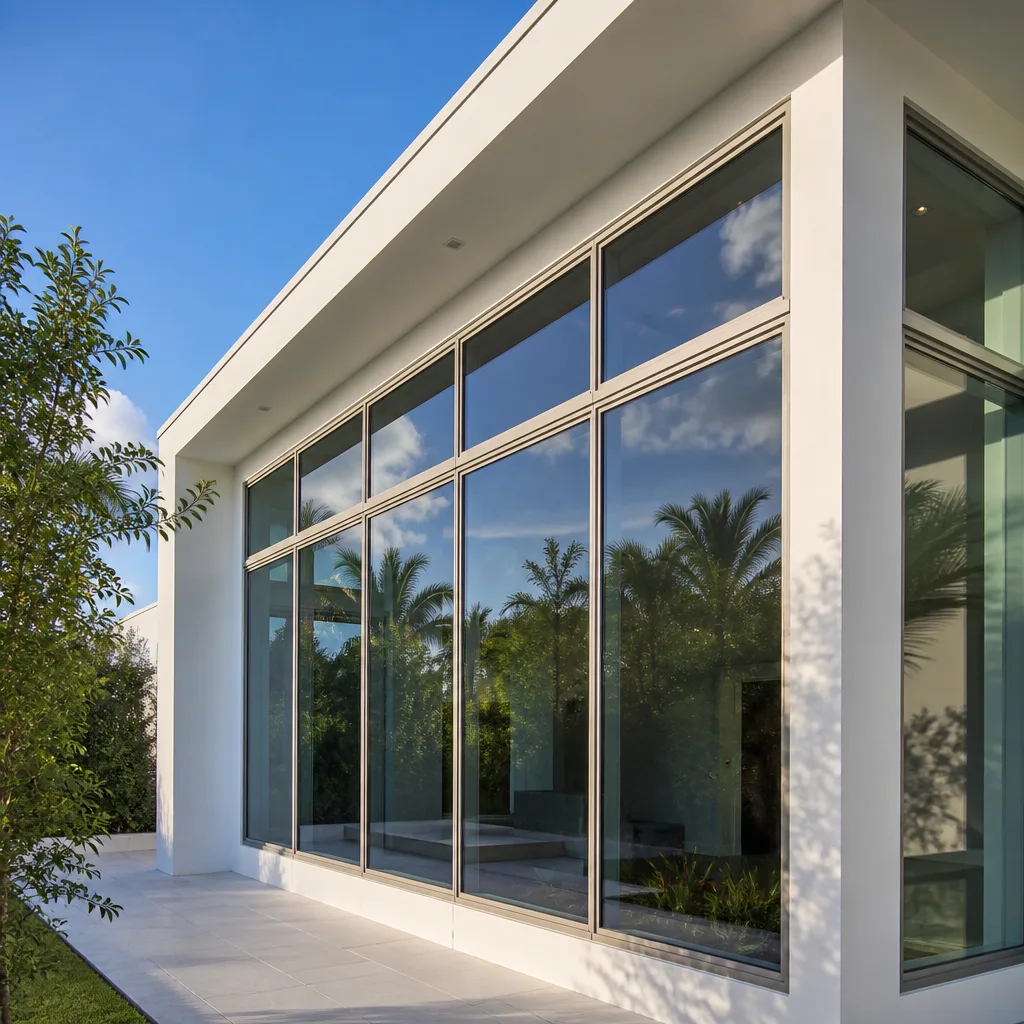
Florida’s hurricane season officially begins June 1. In Boca Raton, the practical start date for structural verification is May 1 - before the first tropical waves organize off West Africa and before local contractors book solid.
The critical check for impact-rated doors is multipoint lock engagement under simulated wind load. A multipoint lock has three to five locking points along the door edge. In a wind event, the door leaf flexes. If any single locking point fails to engage fully, the load transfers to the remaining points, and the door can fail at a pressure well below its design rating.
Multipoint Lock Verification
- Open the door fully. Examine each locking point for corrosion, debris, or misalignment. The hook or bolt should move freely when manually pressed.
- Close the door and engage the lock. With the handle lifted and deadbolt thrown, attempt to pull the door leaf toward you using steady pressure at the handle, then at the top corner, then at the bottom corner. There should be no perceptible movement at any locking point.
- Check the keep plates on the frame. These are the metal plates that receive the locking points. If they are loose, corroded, or show wear marks that indicate the bolt is scraping rather than entering cleanly, the engagement is compromised.
- Operate the lock 10 times. It should feel consistent. Any variation in resistance indicates wear in the mechanism or misalignment between door and frame.
This check applies to impact doors from any manufacturer line - PGT, CGI, or others. We’ve found that doors installed within the last five years in Boca Raton rarely show mechanism failure, but keep plate loosening is common due to thermal cycling of the frame material against the wall substrate.
Also verify that your impact-rated windows and doors still carry their original certification marks. The Florida Product Approval number and the AAMA/WDMA label should be legible. Photograph these labels in May; if a storm removes them, you’ll need the documentation for insurance and for any post-storm inspection that questions whether the opening protection was code-compliant at the time of installation.
For homes in waterfront neighborhoods like Boca Harbour or Royal Palm Yacht & Country Club, add a check of the sill pan flashing at sliding doors. Wind-driven rain in these exposed locations can overwhelm drainage weeps if the pan is clogged with debris or if the sealant at the pan-to-frame joint has aged.
How to Test Glazing Compound Adhesion Without Tools
Glazing compound - the sealant between glass and frame in older windows, or the secondary seal in some insulated units - degrades predictably in Boca Raton’s UV exposure. Complete failure is obvious: visible cracks, separated beads, water intrusion. Partial failure is more dangerous because the window appears intact until wind pressure forces water through a channel you cannot see.
You can test adhesion without removing trim or using probes that might damage the seal.
Visual Indicators of Compromised Adhesion
- Chalking at the seal edge: Run your finger along the glazing bead. If it comes away white with oxidized compound, the surface has degraded. Sound adhesion leaves no residue.
- Concavity of the bead profile: Fresh glazing compound has a slightly convex or triangular cross-section. As it ages and shrinks, it pulls inward, creating a concave valley between glass and frame. A concave profile indicates shrinkage and probable loss of edge adhesion.
- Shadow lines beneath the bead: Stand at a low angle to the glass in direct morning light. A dark line beneath the glazing bead indicates a gap where the compound has separated from the frame or glass. This is the most reliable indicator of impending failure.
- Paint or coating creep: If the window frame is painted, look for paint that has pulled away from the glazing bead in a thin line. Paint adheres poorly to degraded compound, and this creep reveals the underlying separation.
These checks should be performed on all windows before June 1. In our experience across Boca Raton, homes built between 1985 and 2005 with original windows show compound degradation on 60 to 70 percent of units. Homes with replacement windows in Boca Raton installed after 2010 rarely show this issue if the installation included a proper back-bed of sealant and a compatible cap bead.
If you identify any of these indicators, document with dated photographs from consistent angles. This documentation becomes evidence if water intrusion occurs during a named storm and you need to establish pre-existing condition for an insurance claim.
Post-Storm Inspection: The 48-Hour Protocol

After any named storm passes within 100 miles of Boca Raton, inspect your windows and doors within 48 hours. This timing matters for three reasons: water intrusion paths may still be open before materials swell and temporarily seal; insurance adjusters document condition early; and structural damage that is addressable immediately often becomes catastrophic if the next storm arrives before repair.
Step-by-Step Post-Storm Inspection
- Exterior walk-around, daylight: Photograph each opening from 10 feet and from 2 feet before touching anything. These are your baseline condition records.
- Glass inspection: Check for spider cracks in impact-rated glass. These laminates can absorb an impact without penetrating but may show stress fractures that compromise the next event. A spider crack pattern that does not reach the edge may be monitorable; any crack reaching the edge or the frame requires replacement.
- Frame and hardware: Operate every lock and latch. Salt-laden wind deposits corrosive film on mechanisms. If operation feels gritty, rinse with fresh water and re-test. If grittiness persists, disassembly and cleaning by a technician is required - forcing the mechanism can shear internal components.
- Interior perimeter check: Examine drywall and trim at the interior side of each opening. Staining that appears within 48 hours indicates a breach in the pressure seal, not just wind-driven rain. This distinction matters for insurance: pressure-seal failure is structural and may be covered differently than cosmetic water damage.
- Document and date everything: Compile photographs, notes on operation, and any contractor assessments into a single folder. Email a copy to yourself for timestamp verification.
For impact-rated products from manufacturers like PGT or CGI, note the specific product line and approval number in your documentation. Insurance adjusters and code officials will request this. If you do not have the original installation documentation, the product markings are your primary evidence of code compliance at the time of installation.
In Boca Raton, we’ve seen too many homeowners delay this inspection because the windows “look fine.” Impact-rated systems are designed to deform and recover. The damage that matters is often internal to the laminate or the frame anchorage - invisible until the next storm tests it.
The Two-Year Replacement Timeline for Boca’s Climate
Some components degrade on a schedule that is independent of visible wear. In Boca Raton’s combination of UV exposure, salt air, and thermal cycling, these are the intervals we’ve documented across thousands of installations.
Weatherstripping Compounds
Vinyl bulb weatherstripping on sliding windows and doors: 24 months. The compound plasticizes in heat and stiffens in cool dry air, losing compression recovery. By month 30, most units show measurable air leakage. Replacement cost for a typical three-panel sliding door: $85 to $140 in materials, plus two hours labor.
EPDM compression seals on casement and awning windows: 30 to 36 months, but inspect at 24. EPDM holds up better than vinyl but degrades from the inside out through UV-initiated oxidation. The surface looks intact while the core has lost elasticity.
Threshold Seals
Adjustable threshold assemblies on entry doors: 24 months. The seal material compresses permanently and the adjustment screws corrode in salt air. A threshold that cannot be adjusted to maintain contact with the door bottom will leak water and will not pass a blower-door test if you sell the home. Replacement threshold with composite cap: $120 to $200.
Sash Balances
Constant-force coil balances in single- and double-hung windows: 24 to 30 months in Boca Raton’s UV exposure. The polymer coating on the coil spring degrades, and the spring binds in the channel. First symptom is a sash that drifts closed or requires excessive force to open. By the time the sash won’t stay open, the balance has often damaged the jamb liner. Preventive replacement: $45 to $75 per balance. Reactive replacement with jamb liner repair: $180 to $260 per window.
We recommend calendar reminders, not visual inspection, for these items. The failure mode is typically functional degradation that precedes visible damage. Window installation in Boca Raton under the Haven Standard includes a 24-month follow-up contact to schedule this preventive maintenance - not because we want the work, but because we’ve measured the failure curve and know when it steepens.
Tools, Materials, and What They Cost in Boca Raton
This is not a project list. These are the items required for the maintenance protocol described above, with Boca Raton retail pricing as of 2024. For a Windows & Doors Cost Breakdown: The Boca Raton Homeowner’s Reference for 2026, see our expanded guide.
| Item | Purpose | Approximate Cost |
|---|---|---|
| Garden hose with mist nozzle | Monthly hardware rinse, dry season | $25-$40 |
| Silicone spray lubricant, food-grade | Lock mechanism protection after rinsing | $8-$12 |
| Replacement weatherstripping, vinyl bulb, per foot | Sliding door and window seals | $1.50-$2.50 |
| Replacement threshold seal, composite cap | Entry door water barrier | $120-$200 |
| Sash balance, constant-force coil | Single- and double-hung window operation | $45-$75 each |
| Glazing compound, urethane, 10.5 oz. cartridge | Re-seal of degraded glazing beads | $12-$18 |
| Digital camera or smartphone with date stamp | Documentation for insurance | Owned |
Total annual maintenance material cost for a typical 2,200-square-foot home: $85 to $140 if performing preventive replacement on schedule. Reactive repair after failure: $680 to $1,400.
For homeowners in Boca Raton’s coastal zones - east of A1A, or with direct Intracoastal exposure - add 20 percent to material costs due to accelerated degradation. The salt load in these locations is measurably higher, and we’ve documented weatherstripping failure at 18 months rather than 24.
Common Mistakes to Avoid
- Pressure-washing impact-rated frames: The high-pressure stream drives water past gaskets and into the internal drainage system, where it can corrode reinforcing steel in PVC frames or delaminate wood-clad products. Rinse only, never pressure-wash.
- Using WD-40 on lock mechanisms: WD-40 is a solvent, not a lubricant. It strips the factory lubricant and leaves a residue that attracts salt and dust. Use silicone spray or dry graphite only.
- Waiting for visible leaks before acting: By the time water stains appear on interior drywall, the frame anchorage or the glazing seal has been compromised for months. The damage behind the wall is always worse than the visible stain.
- Assuming impact-rated means maintenance-free: Impact ratings test a single event. They do not certify corrosion resistance, hardware durability, or seal longevity. A rated door with corroded multipoint hardware will fail at a fraction of its design pressure.
- Neglecting the garage door: In Boca Raton, the garage door is often the largest opening in the home and the most exposed to salt air. Impact-rated garage doors from manufacturers like Therma-Tru require the same hardware inspection as entry doors, plus track alignment checks that are specific to the wider span.
- Using generic replacement parts: Weatherstripping profiles are manufacturer-specific. A generic bulb seal from a hardware store may fit loosely or compress unevenly, creating leaks that are invisible until a storm tests them. Match the original profile or use the manufacturer’s specified replacement.
- Skipping documentation: Insurance adjusters in Florida are required to distinguish pre-existing damage from storm damage. Your dated photographs and inspection notes are the evidence that determines whether your claim is paid or denied.
When to Call a Professional
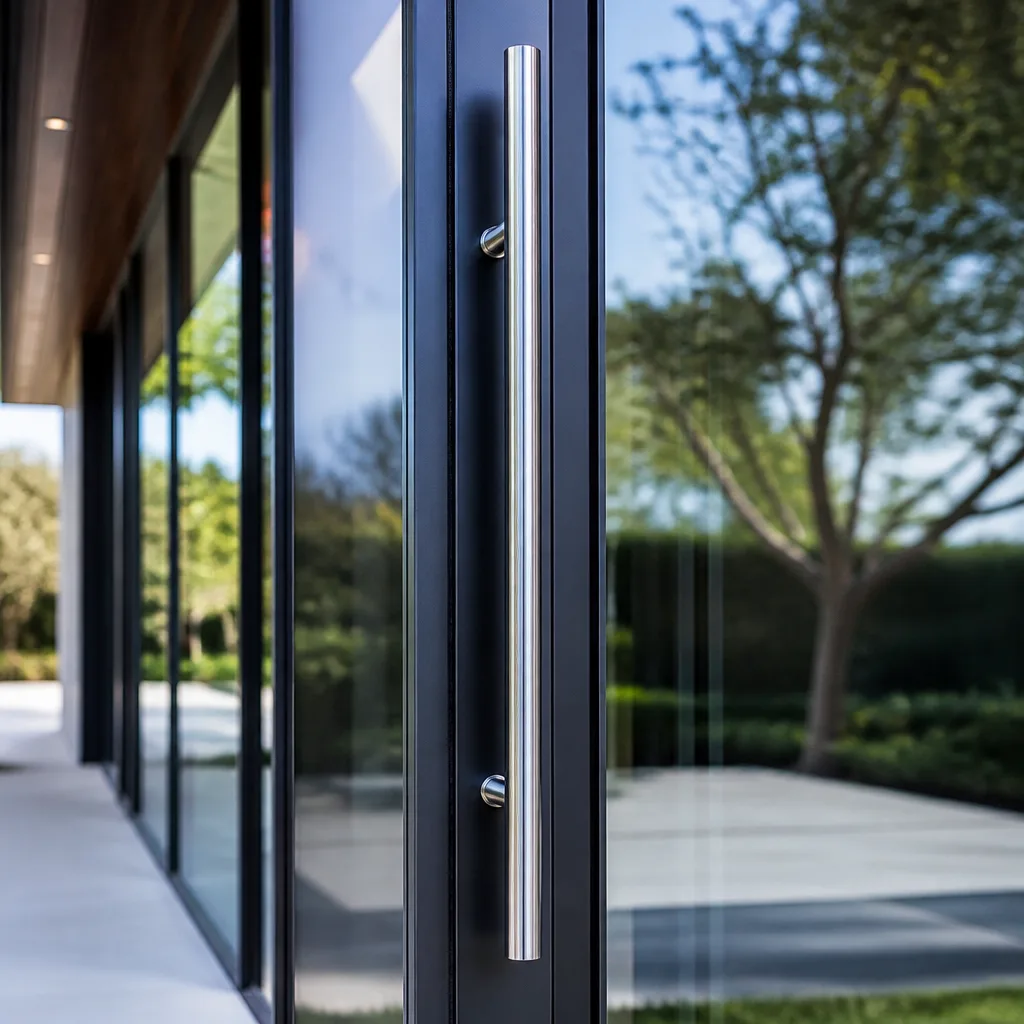
Call a qualified window and door technician if you find any of the following during your inspection: multipoint lock misalignment that cannot be corrected by adjusting the keep plates; spider cracks in impact-rated glass that reach the edge or the frame; sash balances that have damaged jamb liners; threshold assemblies with corroded adjustment screws that cannot be turned; or any water staining on interior surfaces that indicates pressure-seal failure rather than wind-driven rain.
These conditions involve structural or safety-critical components. Impact-rated assemblies are tested as systems; replacing individual components with non-matching parts can void the rating and compromise insurance coverage.
Sightline Windows & Doors Boca Raton offers free estimates in Boca Raton. Our measured survey documents the exact condition of each opening, and the written scope we provide - the same document that becomes your fixed-price agreement - includes any manufacturer-specific parts required. Call (561) 200-8592 to schedule.
Frequently Asked Questions
Preventive maintenance for a typical home runs $85 to $140 in materials if you perform the work yourself, or $340 to $580 if you hire a technician for the annual inspection and component replacement. Reactive repairs after failure typically cost $680 to $1,400. Call (561) 200-8592 for a written scope and exact pricing - estimates are free.
No. Under Haven Clause 1, the written price before any work starts is the final price. Our measured survey and your quote are the same document. We do not use change orders for conditions that should have been identified during survey.
Monthly during the dry season, November through April. During the wet season, normal rainfall usually suffices unless you are in a direct salt-spray zone east of A1A or on the Intracoastal, where monthly rinsing should continue year-round.
Yes. The impact rating certifies performance against a single projectile and pressure event. It does not certify corrosion resistance, hardware durability, or seal longevity. We’ve replaced multipoint locks on impact doors that were structurally sound but operationally failed due to salt corrosion.
Check for chalking residue, concave bead profile, shadow lines beneath the bead in angled light, and paint creep away from the seal. Any one of these indicators means the adhesion is compromised and water can penetrate under wind load. Document with dated photographs.
Photograph everything before touching or cleaning. Operate locks to check for grittiness. Check interior drywall for staining within 48 hours. Compile documentation and contact your insurer. If the damage involves impact-rated glass or structural components, call (561) 200-8592 for a professional assessment - we document our findings in a format usable for claims.
Yes. All replacement work that affects the structural opening or the impact rating requires a permit under Florida Building Code. For details, see Windows & Doors Permits, Codes & Inspections in FL: What You Need to Know. We pull permits, schedule inspections, and provide the documented photo record required for final approval. This is standard on every job, not an additional service.
The Bottom Line

Boca Raton’s two-season climate demands a maintenance protocol that temperate-climate guides cannot provide. Rinse hardware monthly from November through April to prevent salt crystallization. Verify multipoint lock engagement and glazing compound adhesion before June 1. Replace weatherstripping, thresholds, and sash balances on a fixed 24-month cycle. Document everything with dated photographs, especially before hurricane season and after any named storm. The cost of prevention is a fraction of the cost of reactive repair, and the documentation you maintain protects your insurance coverage. Door installation in Boca Raton and window work under the Haven Standard begins with a measured survey you keep and a written price that does not change.
Written by Sonia Raman, Owner at Sightline Windows & Doors Boca Raton, serving Boca Raton since 2012. Browse our more guides & resources for Florida homeowners.